Industry Spotlight
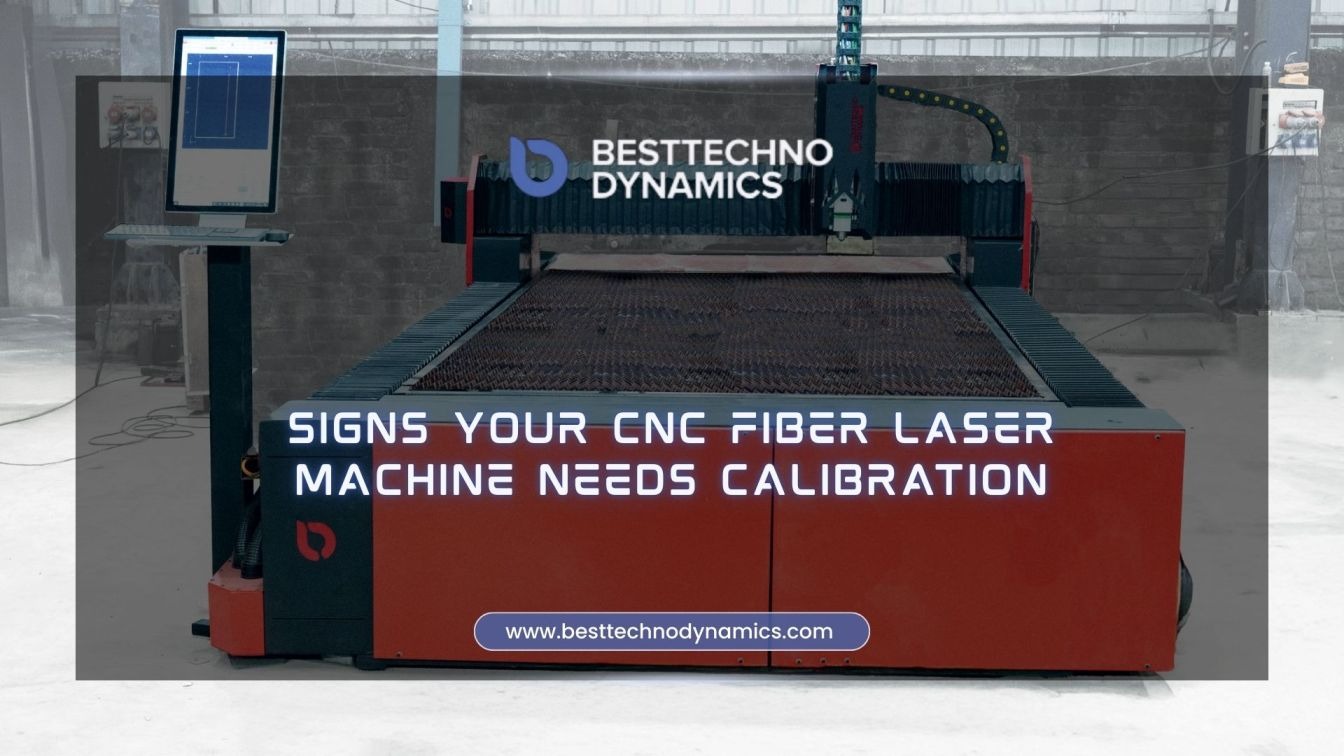
Signs Your CNC Fiber Laser Machine Needs Calibration
When your CNC fiber laser machine begins to produce uneven cuts, rough edges, or slow performance.
Mar 18, 2026
Read More →

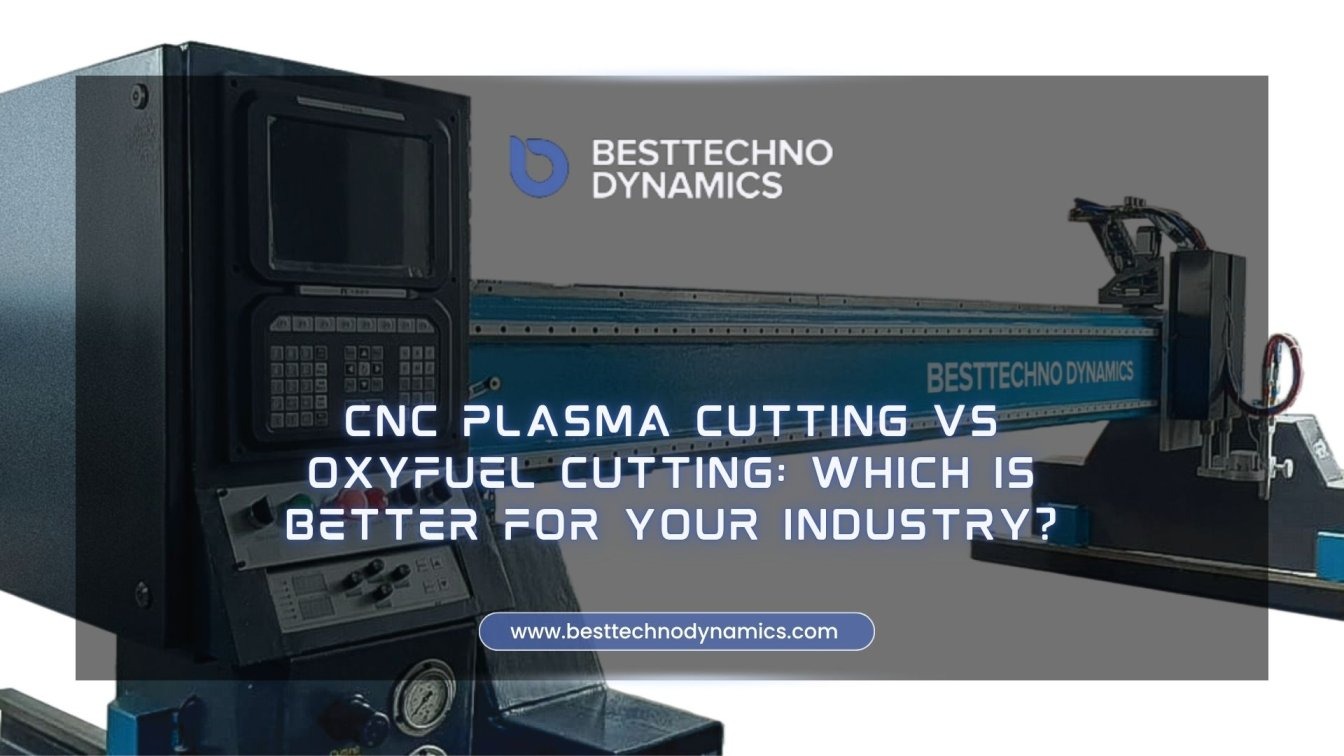
In metal fabrication, precision is key. Cutting is essential to high quality in all sorts of operations,though, whether you are working in construction, vehicles or big machines.CNC plasma cutting machine and oxyfuel cutting are the most popular methods of cutting metal now.
Both methods are powerful and effective, but are suitable for different types of materials with characteristics such as thickness and size accuracy of the cut. However, the choice of picking can make a difference in terms of speed, cost, and quality of the end product. However, we will get a little more in-depth on both methods to see what works best in your industry.
CNC plasma cutting involves the use of a fast stream of heated gas (known as plasma) used to cut through metal. The machine produces an electric spark between a tip and metal. The spark heats the metal till it melts. Then the compressed gas pushes the melted metal away to form an accurate and clean cut.
Furthermore, due to its accuracy and efficiency, most CNC plasma cutting machine manufacturers in India manufacture machines that have global standards in precision cutting.
However, Plasma cutting is most effective on metals with a thickness of up to 50mm. In the case of thicker materials, this may not be the best way.
Flame cutting is also known as oxyfuel cutting which involves the use of a combination of oxygen and a fuel gas like acetylene in cutting metal. CNC oxy fuel cutting machine manufacturers when the jobs require strength and thickness rather than speed or a smooth surface on the job.
Then the metal is heated till it is able to burn by the fire. The hottest point is then directed to a stream of pure oxygen. The hot metal is then reacted with the oxygen and oxidized, thus blowing the molten metal out.
Nevertheless, oxyfuel cutting is not as fast or as accurate as plasma cutting, and it is generally limited to ferrous metals such as mild steel.
| Feature | CNC Plasma Cutting | Oxyfuel Cutting |
|---|---|---|
| Cutting Method | Melts metal using plasma arc | Burns metal using oxygen + fuel gas |
| Material Compatibility | Conductive metals (steel, aluminum, copper) | Ferrous metals (mainly mild steel) |
| Thickness Capacity | Thin to medium materials | Thick and heavy steel plates |
| Cutting Speed | Fast | Slower |
| Edge Quality | Smooth, clean | Rougher, needs finishing |
| Precision | High | Moderate |
| Operational Cost | Medium | Low |
| Industry Use | Fabrication, automotive, custom design | Construction, shipbuilding, heavy industries |
It is a good point in both approaches, yet the most suitable choice depends entirely on your requirements.
Choose CNC plasma cutting if:
For businesses involved in fabrication, automotive manufacturing, and custom metal art, plasma cutting offers the best blend of speed and precision. Modern CNC machines often support both CNC plasma and oxyfuel cutting, allowing you to choose the most suitable process based on material type and thickness.
The heavy equipment manufacturing sector, construction companies, and the shipbuilding industry rely heavily on oxyfuel cutting, as it effectively handles large and thick metal pieces.
In case you have to choose between plasma and oxyfuel, consider the following:
Moreover, you should evaluate your project requirements, the materials you will work with, and your long-term production plans before making a purchase.
In comparison with CNC Plasma Cutting and Oxyfuel Cutting, the answer is relative to what you require. When accuracy, sharp edges, and fast work are needed, a CNC plasma cutter is the correct option. Oxyfuel cutting should be used when you frequently cut heavy steel and need to keep costs low.
Hybrid machines utilizing both oxyfuel and plasma are now manufactured by numerous CNC plasma cutter makers in India. These hybrid systems allow companies to handle a wide variety of cutting tasks. Newer models also enhance speed, accuracy, and flexibility to meet modern industrial needs.
Conclusively, the most suitable option is the one that fits your material requirements, budget, and expected performance. Understanding the advantages of each method helps you make a smart investment that supports long-term productivity and high-quality results for your business.
1. What is the principal distinction between CNC plasma cutting and oxyfuel cutting?
In CNC plasma cutting, ionized gas is used to cut with precision at specific points, whereas oxyfuel cutting uses a flame to cut thick metal.
2. Which method of cutting is the most cost-efficient for heavy-duty applications?
Oxyfuel cutting is more economical and better suited for thick and heavy-duty metals.
3. Does a single machine handle both plasma and oxyfuel cutting?
Yes, many modern hybrid machines are designed to perform both plasma and oxyfuel cutting in one system.