Industry Spotlight
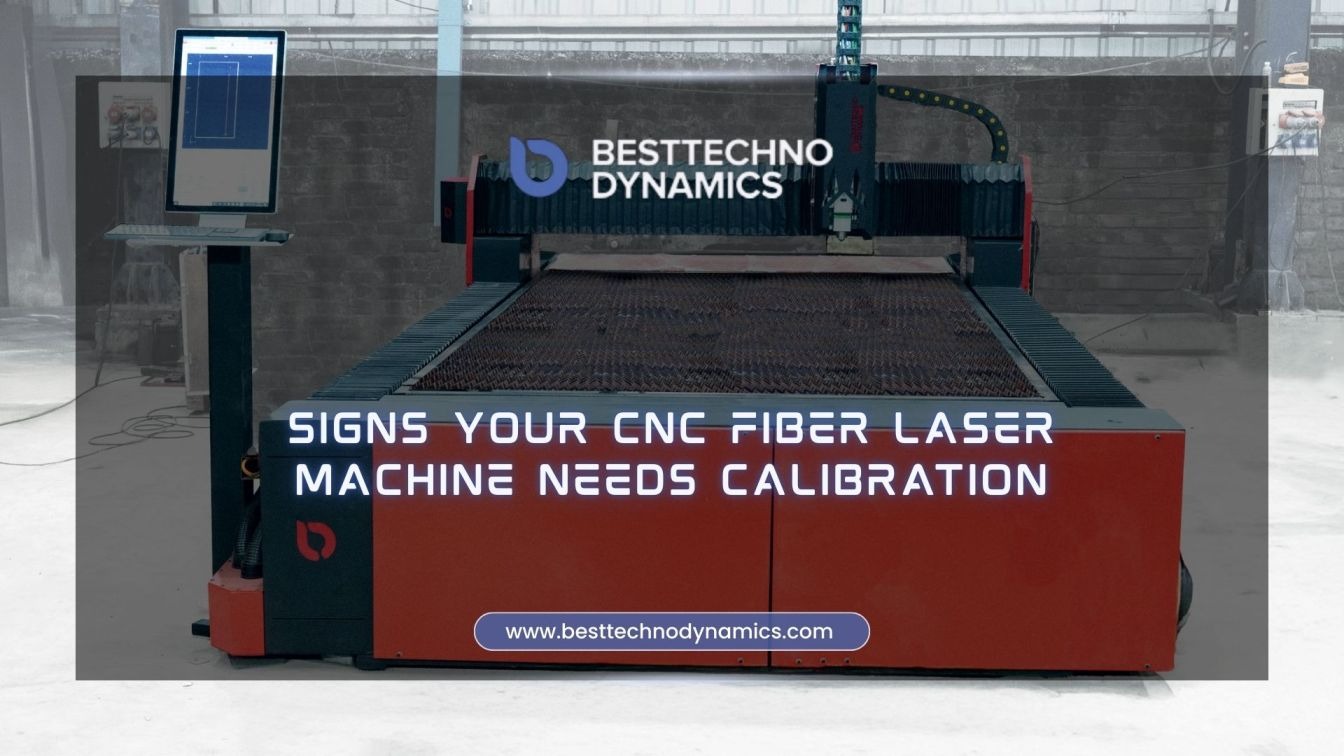
Signs Your CNC Fiber Laser Machine Needs Calibration
When your CNC fiber laser machine begins to produce uneven cuts, rough edges, or slow performance.
Mar 18, 2026
Read More →

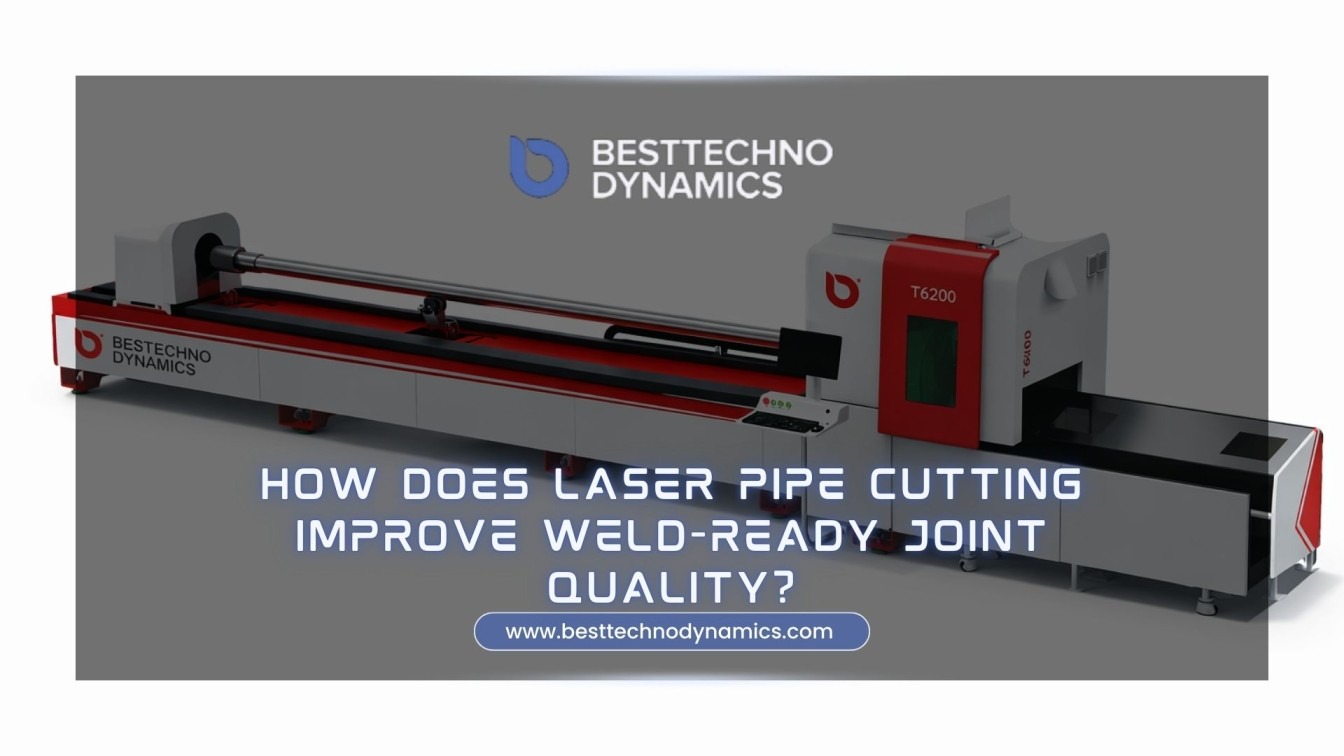
Laser pipe cutting enhances the quality of the weld-ready joints through clean, precise, and burr-free edges that fit perfectly during welding. It minimizes discontinuities, misalignment, heat damage, and surface defects. Additionally, welds are stronger, smoother, and more consistent, and less rework is needed in the fabrication processes.
Weld-ready joints are the foundation of strong and long-lasting pipe structures. Without proper preparation of a joint, the best welding process will not correct simple alignment or surface issues.
Poor quality of joints in the real fabrication work usually results in:
Therefore, the manufacturers pay much attention to the joint preparation prior to the beginning of the welding process. Laser pipe cutting is significant here. Businesses collaborate with fabricators and know that improved joints translate to improved finished products.
Laser pipe cutting is a technique that involves cutting metal pipes with a beam of light that is highly concentrated. The laser does not cut, crush, or deform the surface of the pipe, as is the case with conventional cutting methods.
A CNC Fiber Laser Pipe Profile Cutting Machine guarantees:
Due to this clean cutting process, the joint edges do not require heavy grinding or hand finishing. Pipes are already ready to be welded, and this saves time and enhances uniformity for the welders.
Additionally, there are clean edges that enable improved fusion of materials. This creates better weld penetration and minimizes the chances of internal weld defects.
One of the largest factors that make laser cutting of pipes better in weld-ready joints is precision. When the joints are cut correctly, the welder does not need to cover the gaps or irregular edges.
Laser cutting helps in precision because:
The CNC Pipe Profile Cutting Machine is particularly effective in preparing joints such as T-joints, Y-joints, and saddle joints. The shape of these joints should be perfect to prevent concentration of stress following welding.
Moreover, welding defects, including lack of fusion, porosity, and undercut, are greatly minimized. Less rework is also experienced by fabricators, and this enhances project schedules and profitability.
The stage is called "fit-up," where two pipes are positioned and then welded. Weak welds and stress distribution are caused by poor fit-up.
Laser cutting of pipes enhances consistency of fit-up since:
When pipes are correctly fitted together, the welders do not have to worry about alignment but only about welding quality. Therefore, the Best Techno Dynamics frequently emphasizes that regular fit-up enhances the strength of the welds and the confidence of the welder at the workstation.
Moreover, the regular fit-up also contributes to the automation of the welding process, and laser cutting is a necessary element of contemporary fabrication.
Excessive heat damage is one of the issues that are associated with conventional cutting methods. The heat may alter the properties of metal and make the joint weak.
Laser cutting of pipes is more heat controlled due to:
The CNC fiber laser cutting machine regulates the amount of heat that is introduced into the machine, and this prevents damage to the microstructure of the pipe. This helps in maintaining a strong joint area that is welding appropriate.
Consequently, welders experience fewer issues such as cracks, distortion, or uneven cooling following welding. However, joint reliability is enhanced, particularly in high pressure or load bearing.
In the modern industries, structural, mechanical, and fluid systems often demand complex joints of pipes. These joints cannot be easily attained using manual or traditional methods of cutting.
Laser pipe cutting facilitates complicated designs like:
An efficient manufacturer of CNC fiber laser cutting machines ensures that the machines are capable of cutting these complicated profiles accurately. This enables fabricators to attain high standards of engineering without reducing the quality of welding.
Since laser cutting is a digital process, mistakes that are brought about by human handling are reduced. Furthermore, the accuracy of joint work increases even in very complicated fabrication projects.
In contemporary manufacturing, speed and quality should be used together. Laser cutting of pipes assists in both.
The major productivity gains are:
When the joints are ready to be welded directly off the cutting machine, the overall fabrication process is made easier. Best Techno Dynamics also stresses that better quality of joints also implies fewer inspection failures and quicker project delivery.
Additionally, the material waste and rework are minimized, which leads to cost-efficiency, and laser cutting of pipes is a clever long-term investment.
Laser pipe cutting is a process that greatly enhances the quality of the weld-ready joints by providing clean edges, precise profiles, and fit-up. It lowers heat damage, minimizes welding defects, and helps in the complex joint designs. Fabricators enjoy accuracy, effectiveness, and dependability using solutions from Best Techno Dynamics. Laser pipe cutting is one of the major things of strong, long-lasting, and quality welded structures when it is supported by a CNC fiber laser cutting machine manufacturer.
With advanced CNC fiber laser cutting machines, fabricators achieve stronger, more reliable, and longer-lasting welded structures.
Does laser pipe cutting reduce welding preparation time?
Yes, clean and accurate cuts save on grinding, alignment, and edge preparation prior to welding.
Are laser-cut joints stronger than traditional cut joints?
Laser-cut joints allow better fusion, resulting in stronger and more reliable welds.
Can laser pipe cutting handle complex joint shapes?
Yes, it allows accurate cutting of complicated angles and intersection designs.