Industry Spotlight
Why Is My Fiber Laser Not Cutting Thick Metal Properly?
When your CNC fiber laser machine begins to produce uneven cuts, rough edges, or slow performance.
Mar 18, 2026
Read More →

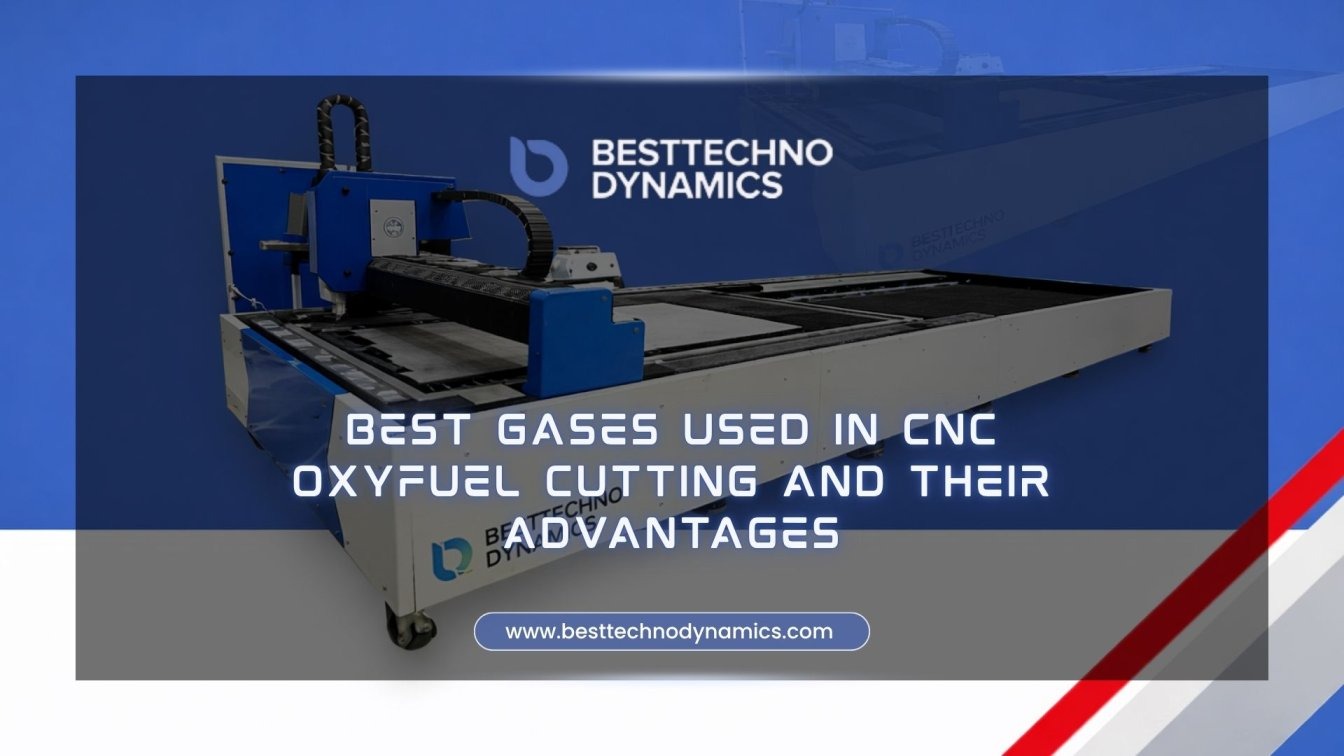
CNC oxyfuel cutting involves the use of oxygen and fuel gases like acetylene, propane, LPG, and natural gas to cut metal effectively. The primary role of oxygen is to perform the cutting process, while the fuel gas heats the metal to the required temperature. Each gas offers unique advantages. For example, acetylene provides higher cutting speed, whereas propane and LPG are more economical for long-term operations. Natural gas is suitable for large-scale industries where continuous gas supply is required.
Moreover, the choice of the appropriate gas depends on factors such as cost, cutting speed, and material thickness. Selecting the right combination improves cutting quality, minimizes waste, and enhances overall productivity in industrial applications.
CNC oxyfuel cutting is a cutting process in which metal is cut using a mixture of oxygen and fuel gas. The metal is heated to its ignition temperature and then cut with a high-pressure oxygen jet, allowing precise and efficient metal cutting.
This technique is widely used in industries because it is:
Additionally, CNC technology automates the process and ensures precise and consistent cuts. Companies like Best Techno Dynamics focus on providing advanced machines that make oxyfuel cutting easier, faster, and more efficient for industrial applications.
CNC oxyfuel cutting uses different gases as fuel, and each gas serves a specific purpose in the cutting process. The most frequently used gases include:
Each gas directly affects cutting speed, edge quality, and overall operational cost. Therefore, selecting the right gas depends on job requirements and material thickness.
For CNC oxyfuel cutting machine manufacturers, understanding these gases helps in choosing the correct equipment, setup, and cutting configuration for better performance and efficiency.
Oxygen is the most important gas in oxyfuel cutting because it performs the actual cutting process. While fuel gases heat the metal, oxygen reacts with the metal to create oxidation, which removes the material and produces a clean cut.
Main benefits of oxygen:
Additionally, oxygen improves edge quality and reduces the need for extra finishing work. However, oxygen purity plays a crucial role in achieving better results. Higher purity oxygen delivers smoother cuts and stable performance.
That is why professionals and experts at Best Techno Dynamics recommend using high-quality oxygen to ensure consistent and reliable cutting performance.
Acetylene is one of the most commonly used fuel gases because of its high flame temperature. It burns hotter than most other gases, making it suitable for high-performance cutting applications.
Benefits of acetylene:
However, acetylene is slightly more expensive than other gases and requires careful handling due to safety concerns.
In industries where speed and precision are critical, acetylene is often preferred. An experienced CNC machine manufacturer in Vadodara typically recommends acetylene for high-performance cutting operations.
Propane and LPG are widely used alternatives to acetylene because they are more economical and easier to manage in large-scale industrial operations.
Simple comparison:
| Feature | Propane/LPG | Acetylene |
|---|---|---|
| Cost | Lower | Higher |
| Flame Temperature | Moderate | Very High |
| Safety | Safer | Requires caution |
| Preheat Speed | Slower | Faster |
Advantages of propane and LPG:
Although the preheating time is slightly slower, the overall cost savings make propane and LPG a practical choice. Many CNC cutting machine manufacturers in India recommend propane for heavy industrial applications due to its affordability and reliability.
Natural gas is another alternative fuel mainly used in large-scale industries where a constant gas supply and low operational cost are important. It is widely preferred in heavy industrial environments where continuous production is required.
Main advantages of natural gas:
However, natural gas produces a lower flame temperature compared to acetylene, making it more suitable for thicker materials where cutting speed is not the primary concern.
Additionally, natural gas is more environmentally friendly and is often preferred by companies focused on sustainability. Reliable suppliers such as Best Techno Dynamics usually guide clients in selecting the right gas based on their production scale and operational needs.
Selecting the right gas depends on several practical factors, as there is no single solution that fits every industrial requirement.
Important factors to consider:
General recommendations:
If you are unsure, consulting experienced CNC machine dealers in Vadodara can help you select the most suitable gas based on your production and material requirements.
The selection of the appropriate gas in CNC oxyfuel cutting directly impacts cost, speed, and cutting quality. Oxygen remains the primary cutting gas, while acetylene, propane, LPG, and natural gas offer different advantages based on specific industrial requirements.
For businesses working with CNC oxyfuel cutting machine manufacturers, understanding these gas options helps improve productivity and reduce operational costs. Companies such as Best Techno Dynamics continue to support industries with efficient solutions and expert guidance to enhance cutting performance and overall operational efficiency.