Industry Spotlight
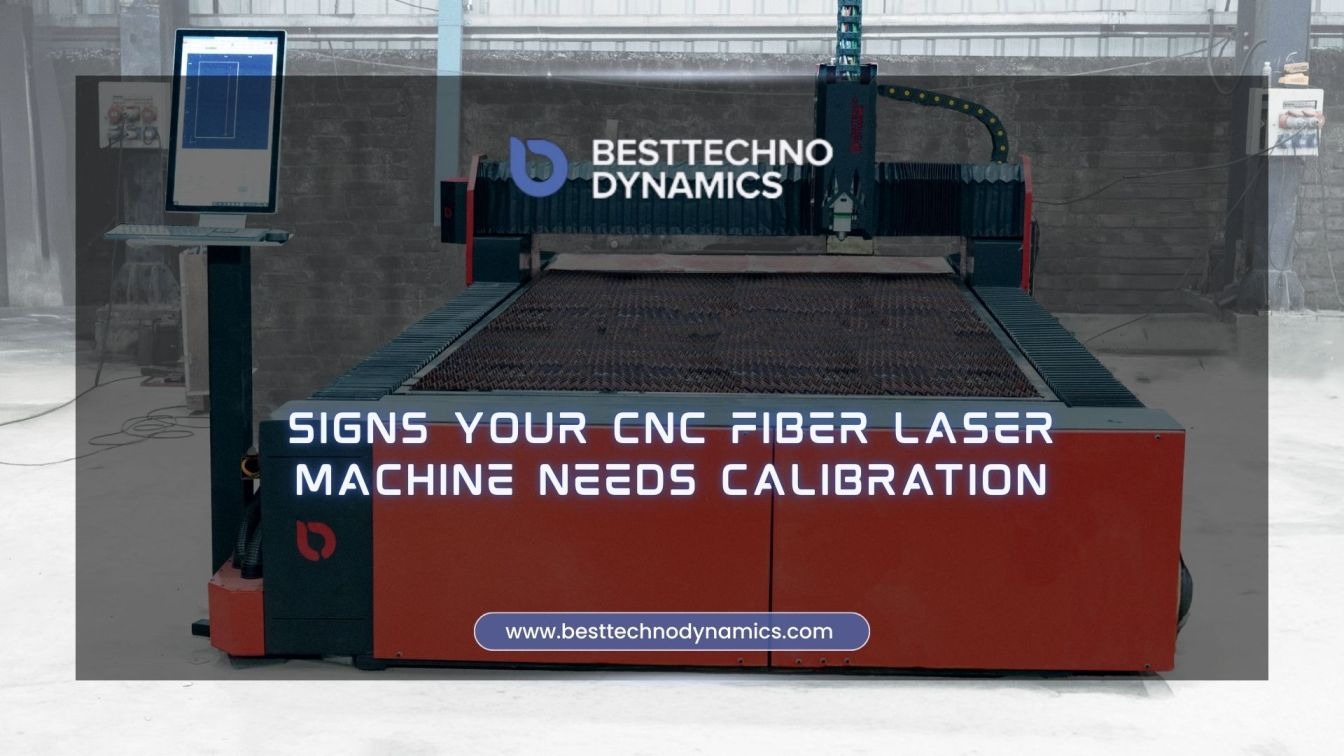
Signs Your CNC Fiber Laser Machine Needs Calibration
When your CNC fiber laser machine begins to produce uneven cuts, rough edges, or slow performance.
Mar 18, 2026
Read More →

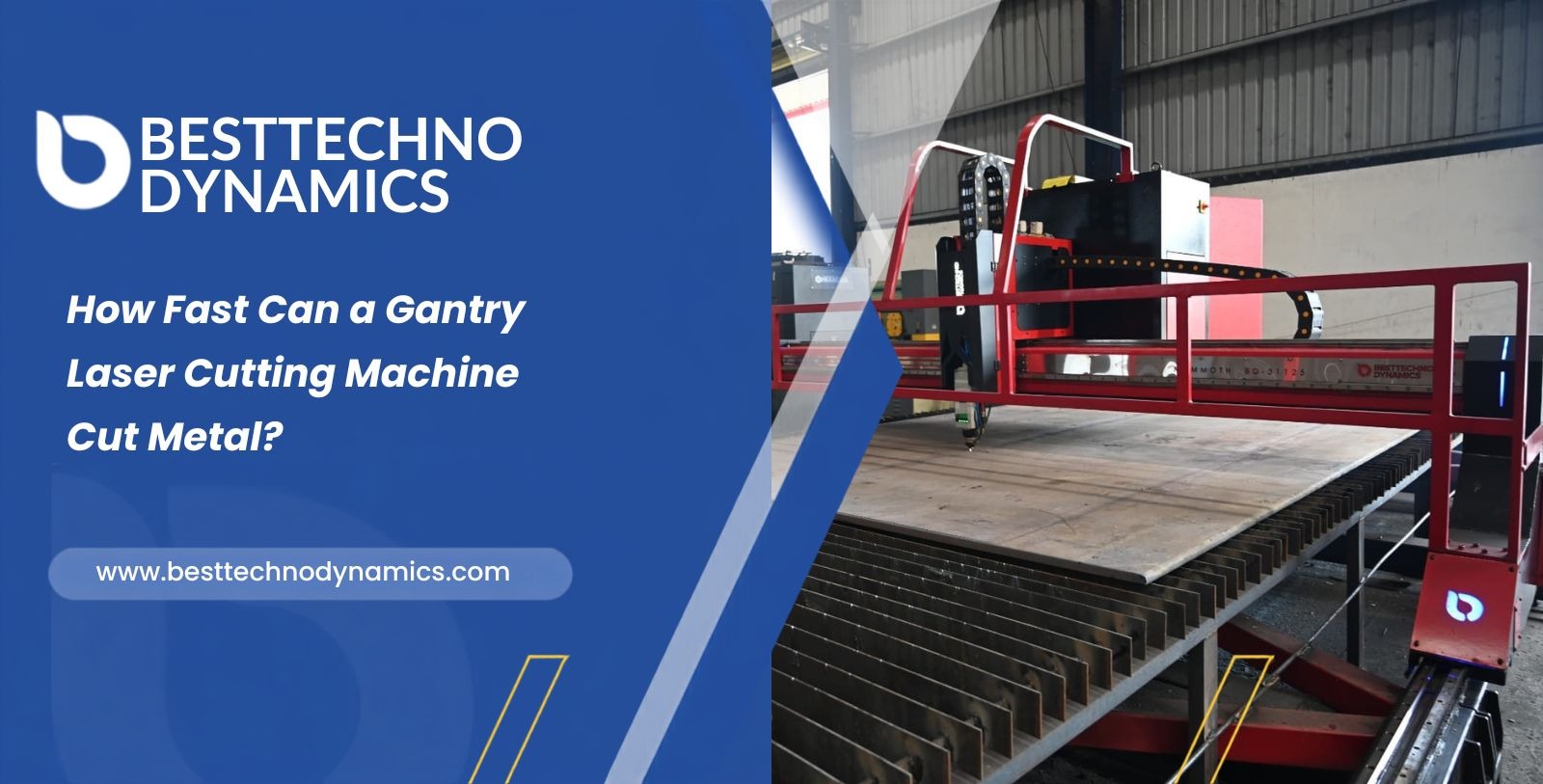
A gantry laser cutting machine generally cuts thin mild steel at 15 to 30 meters per minute, while 10 mm plates may be cut at only 1 meter per minute. The speed varies based on laser power, material type, thickness of sheets, and assist gas. Thin sheets are the fastest to process, and a high-power fiber system above 6 kW can handle medium plates quickly without losing edge quality. There is always a compromise between speed and cut quality, which is dependent upon the job.
The speed at which the beam passes through the metal and the ability to create a clean edge depends on a few factors. Knowing them will enable you to interpret the manufacturer's specifications.
The more watts, the greater the energy being supplied to the cutting area each second. The 3 kW source will make a noticeable difference in cutting the same material as compared to a 12 kW source. But the more power the machine has, the more power the assist gas and motion system must have.
Lasers absorb and reflect metal energy in various quantities. Mild steel is easily cut with oxygen. Nitrogen, cleaner but slower on thicker plates, typically is required for stainless steel and aluminum. Processing reflective metals such as copper and brass is more difficult and requires special settings.
Thickness is the most important factor for speed. The thickness of a plate may be doubled, but the cutting speed may be decreased by more than 50%. That's why it takes a few seconds to process a thin sheet, and a few minutes for a thick plate.
Helps gas blow molten material out of the kerf. Oxygen combines with steel to produce additional heat that increases cutting rates on carbon steel. Nitrogen helps to maintain oxide-free surfaces, but it is more expensive and demands more power. An incorrect gas for a material can slow the process significantly.
A good reference is mild steel, as it is the most frequently used material for gantry laser cutting. The table below provides a general idea of cutting speeds with typical fiber laser setups. Actual figures will depend on the brand, nozzle, and beam quality of the light.
| Material | Thickness | Laser Power | Approx. Cutting Speed |
|---|---|---|---|
| Mild steel (oxygen assist) | 1 mm | 2 kW | 20 to 30 m/min |
| Mild steel (oxygen assist) | 3 mm | 3 kW | 2.5 to 3.5 m/min |
| Mild steel (oxygen assist) | 6 mm | 6 kW | 1.5 to 2 m/min |
| Mild steel (oxygen assist) | 10 mm | 12 kW | 0.8 to 1.2 m/min |
Actually, for the 1 mm machine, the limitation is mainly due to the machine's maximum traverse speed, not the laser itself. The energy density of the beam and flow rate of the gas are the primary limits at 10 mm. However, when planning production, always refer to the cutting chart that your machine supplier provides.
Fabrication is often done with stainless steel or aluminum, which have different responses to the beam. Both tend to employ nitrogen, a factor that is slower than the oxygen-assisted mild steel cutting process.
Nitrogen is known as the ideal cutting gas for stainless steel, since it produces bright, oxide-free cut edges which are often not further finished. Thin sheets move quickly, but the faster they get, the thicker they get. A 3 mm sheet at 3 kW may run around 1.8 to 2.5 m/min, while 6 mm at 6 kW may drop to about 0.8 to 1.2 m/min.
This makes aluminum more challenging than steel because it is capable of reflecting more energy from the laser beam. It is easily handled by modern fiber lasers, and the operator needs to pay attention to the reflection and dross. A 1 mm aluminium sheet can be processed at around 15-20 m/min at 1 kW, and thicker sheets are processed much more slowly with nitrogen.
It's not all about the laser. The gantry structure is responsible for the change in direction of the cutting head across the sheet, which decides the speed of the machine to change direction accurately.
Rapid traverse speed: speed of head movement between cuts, without cutting. High acceleration allows for the head to reach full speed quickly and come to a precise stop at corners. A rigid gantry with high linear motor forces can drastically cut cycle time for parts with numerous features.
A highly massed, sturdily constructed structure is more resistant to vibration at high speeds. If it's not rigid, it may wobble and result in bad edges and rework. That's why a professional production machine is typically more expensive, but has a more predictable output on longer shifts.
A Gantry Type Laser Cutting Machine manufacturer in India should be able to clearly describe the frame structure, drive mechanism, and peak acceleration to the buyers who are considering options.
The selection of the machine is based on the speed and the work you are doing. If the machine is fast on paper, it may not be fast for your normal sheet thickness.
List first the materials you cut the most and then list their thickness. Then determine the number of parts you will need for each shift and the number of cuts for each part. Compare machines based on cutting charts, not on maximum power specifications.
Moreover, it's also a good idea to request samples on your own fabric. Many quality suppliers will have test parts available for you to test the speed, edge quality, and amount of dross. A CNC fiber laser machine manufacturer India, who also has local service engineers, can minimize downtime and accelerate spare parts delivery for Indian buyers.
There is an increasing number of laser cutting equipment suppliers in India, and according to the budget and location, there are a number of options available to the buyers. The pros and cons of each route.
It might be better to purchase the product from the manufacturer to get better technical support and customization. Before ordering, you can discuss gantry size, bed length, and automation options. Inquire in writing about training, installation, and warranties.
Dealers are beneficial for speedy supply and local after-sales service. If your business deals with pre-engineered building components, a PEB laser cutting machine supplier in India can be of great help because they have an understanding of the thickness range and part shapes of pre-engineered building components.
Therefore, the CNC laser machine dealers in Gujarat are a popular choice for buyers in western India, as the state is known for its manufacturing hub. At Besttechno Dynamics, site visits can be quicker with local dealers, especially in the case of production that relies on uptime.
Operators can boost cutting speed without reducing quality using the same machine. A few changes in nesting and setup add up in the end.
The gantry laser cutting machine does not operate at a single speed. It varies according to the material, how thick the material is, the laser power used, and the type of gas used. Therefore, the best strategy would be to compare cutting tables for the job at hand, beginning with the most frequently used materials before you begin requesting sample cuts, as well as taking note of the make and model of the machine.
Finding the right gantry laser cutting machine from a Gantry Type Laser Cutting Machine manufacturer in India entails looking for a supplier that offers excellent customer support, including after-sales service. After all, whether you are a fabricator or become a customer of a PEB laser cutting machine supplier India, the right company would ensure that cutting speed translates into actual production output as well.
Thin sheets, commonly 1 mm mild steel on a cutting-edge fiber system, are able to achieve speeds of approximately 20-30 meters per minute. The specific speed depends on the capacity of the system in terms of maximum speed and acceleration.
Basically, more power means faster and thicker cutting, but that depends on the correct adjustment of the assist gas, nozzle, and the motion system. Otherwise, the edge quality may deteriorate.
Difficult metals to cut include highly reflective metals such as copper and brass. The cutting speeds of thick stainless steel and aluminum are also significantly lower compared to mild steel.
You can send your materials to the supplier for test cuts. Then you can see for yourself the time taken to make the cut, cut quality, and amount of dross generated.