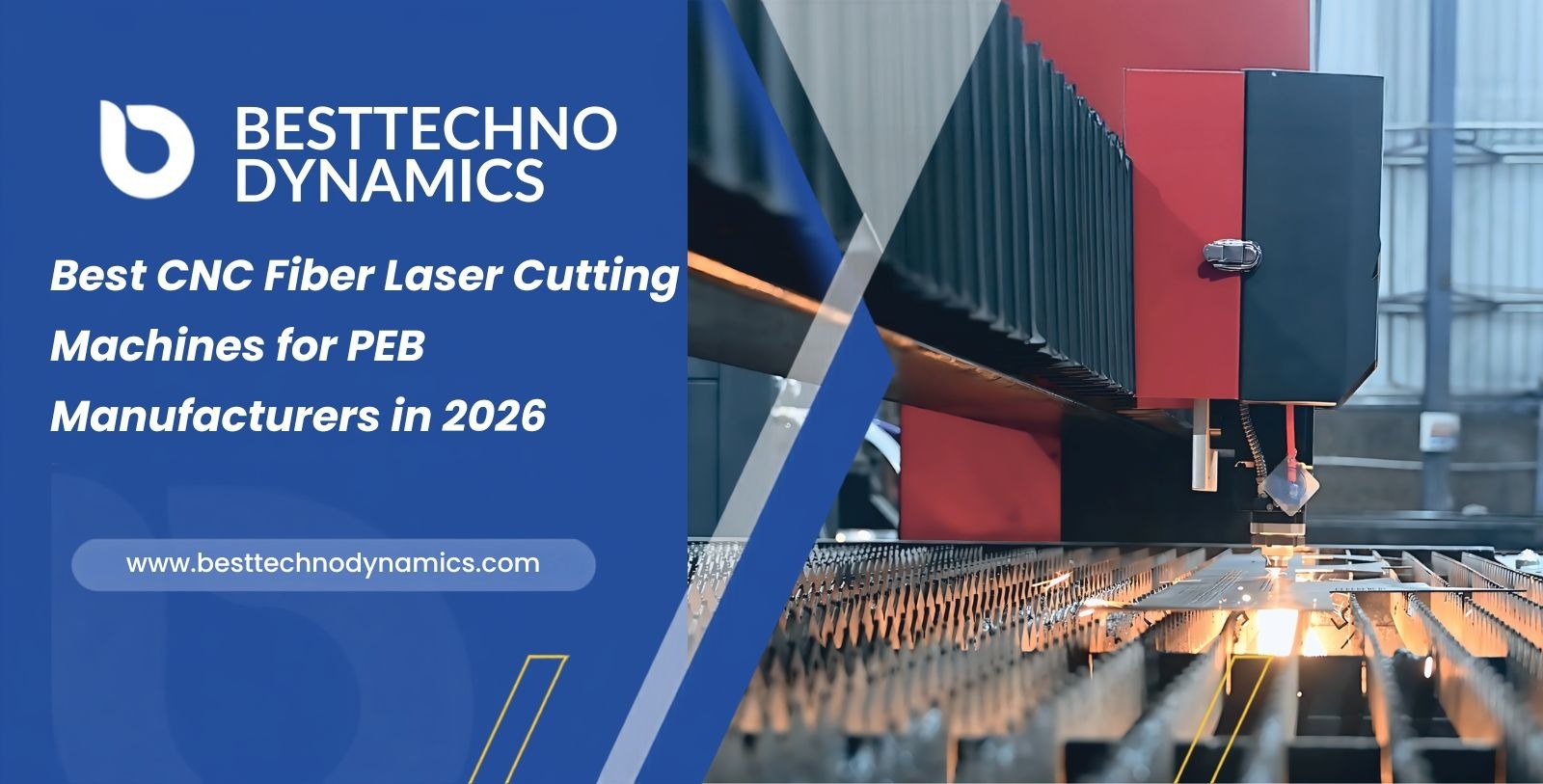
Best CNC Fiber Laser Cutting Machines for PEB Manufacturers in 2026
Key takeaways
- There isn’t one machine appropriate for all PEB processing facilities, and concerns include thickness, size, and production volume.
- 12 kW machinery is suitable for heavy plates, while 6kW ones are more commonly used by medium-sized companies.
- Table size is critical since smaller tables require frequent moving of materials, thus slowing production of long materials.
- For large PEB products, MAMMOTH provides a table with dimensions of 3100 × 12500 mm.
What makes a fiber laser machine "best" for PEB work?
Before selecting the appropriate machine, it is necessary to determine what ‘best’ actually refers to in PEB (pre-engineered building) operations. Different workshops have distinct requirements for cutting. A workshop dealing with the cutting of brackets and thin sheets may not require the same devices as one cutting 20mm thick plates and cutting structural frames of about 10 meters in length.
India’s PEB industry amounted to about ₹21,688 crore in 2025 and is projected to grow to ₹61,928 crore by 2034. The bulk of PEB products fall under the category of steel construction. Such developments lead to the increasing need for fiber laser cutting machines that are able to cut thick steel plates faster and cleaner compared to plasma cutting equipment or traditional CO2 machines. Fiber laser occupies about 41% of India’s laser market already.
In the case of PEB operations, the machine must offer three basic advantages: the ability to perform cutting operations needed when using heavy plates, a long working area for cutting large products, and the use of clean cutting techniques that provide the necessary cutting quality. The rating of machines below is based on the criteria provided rather than mere specification characterization.
Top CNC fiber laser machines for PEB in 2026
1. Best Overall for Heavy PEB Fabrication: MAMMOTH 12kW
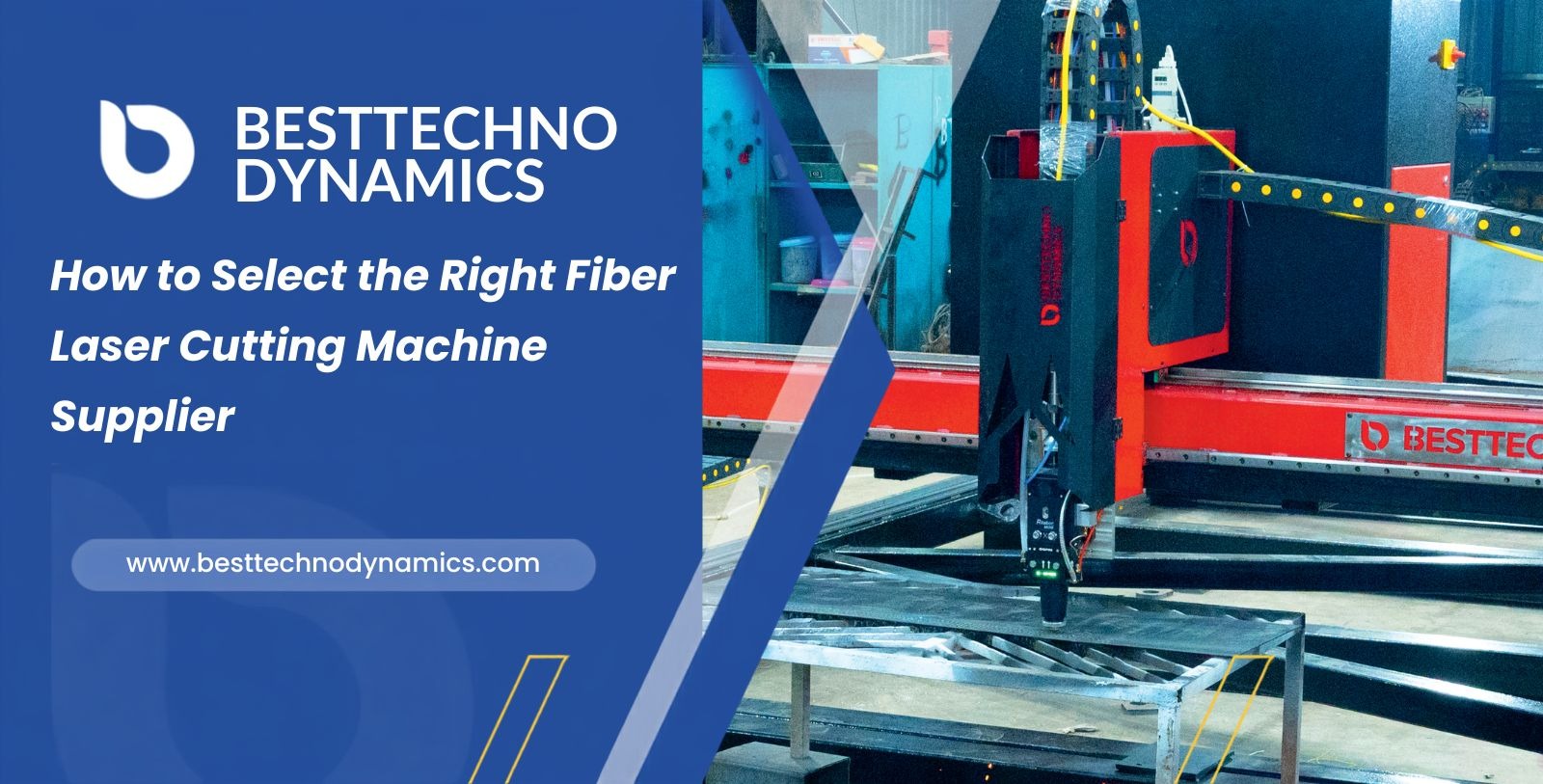
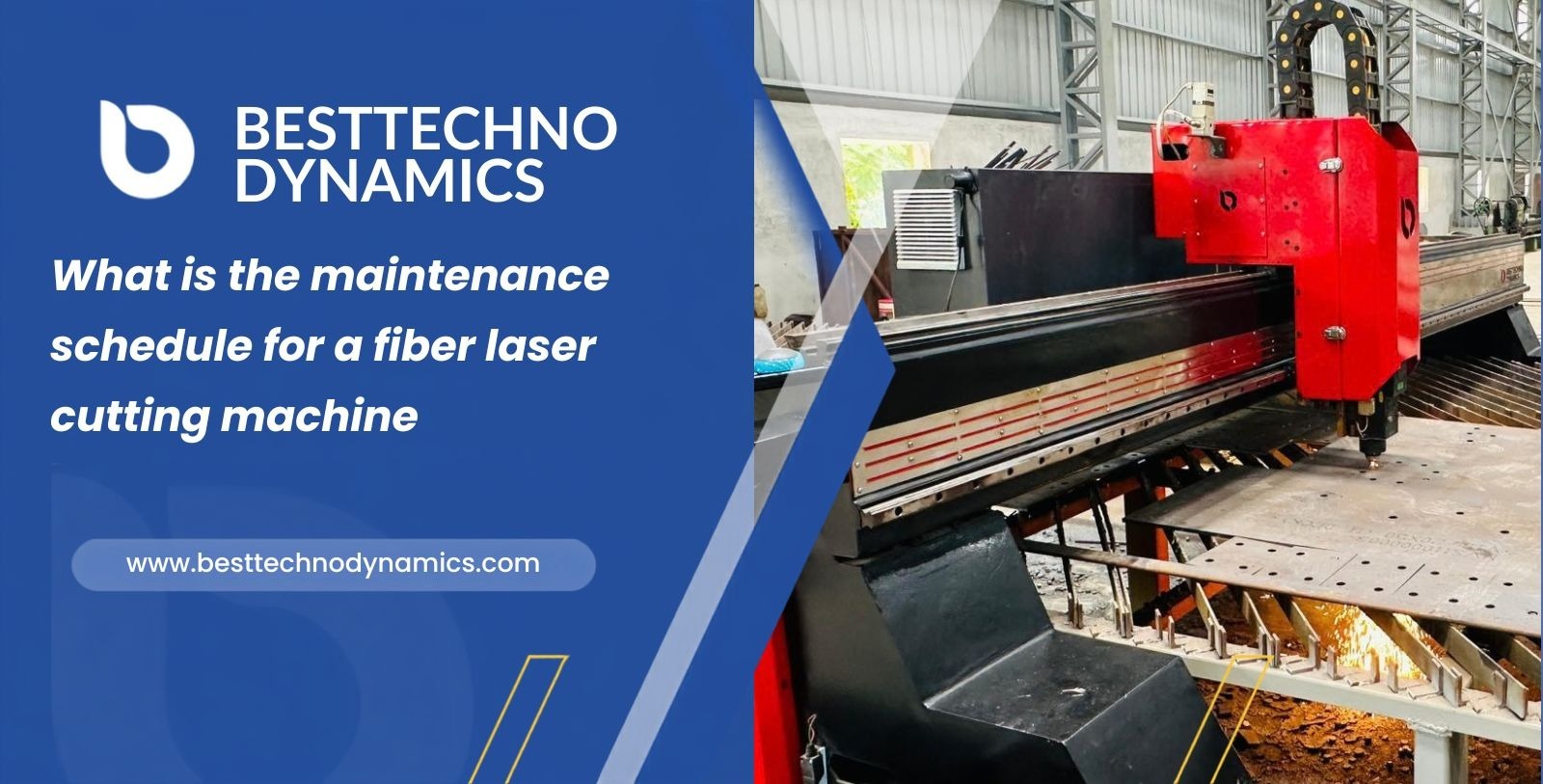
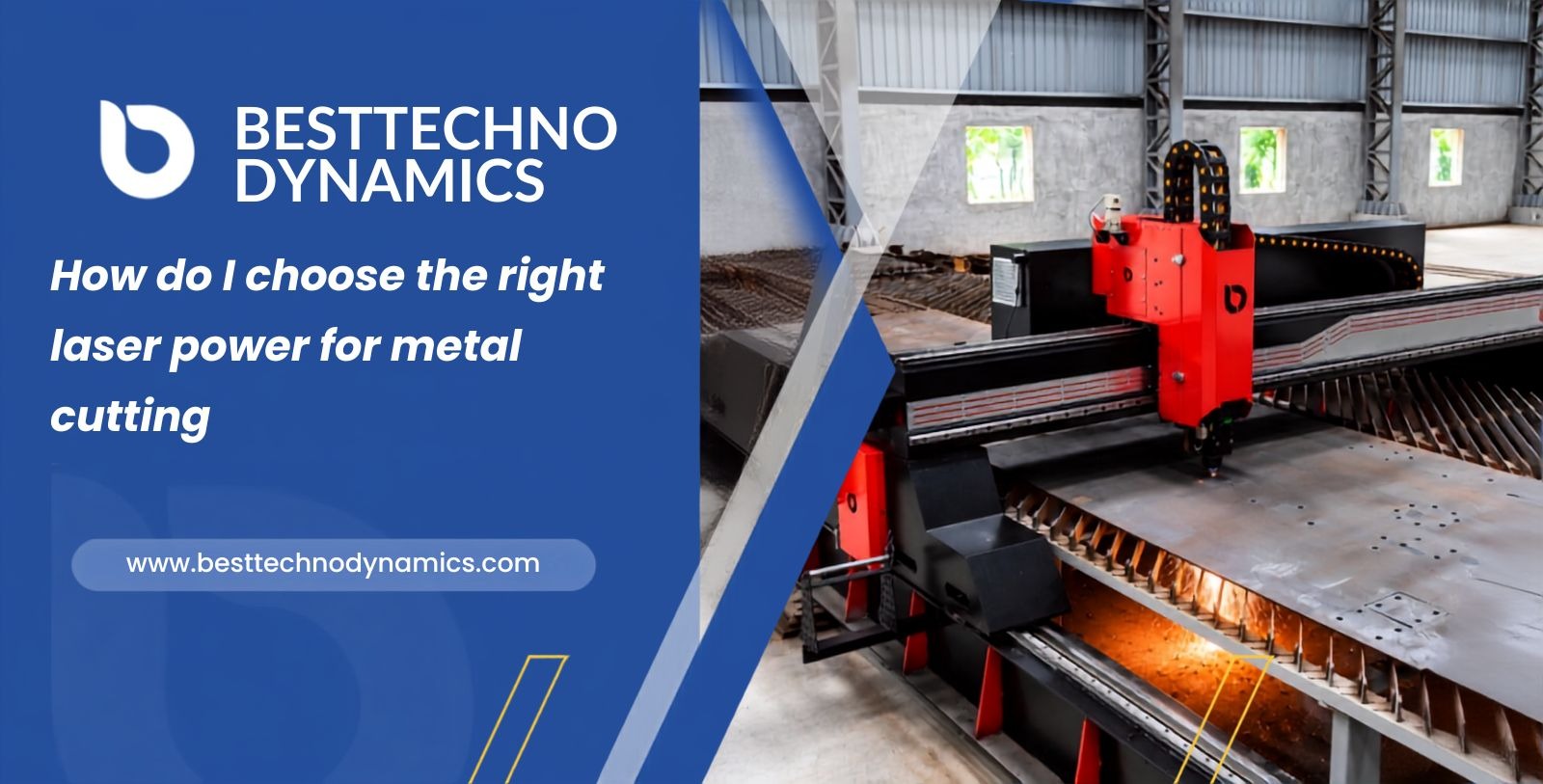
MAMMOTH, from Besttechno Dynamics, is built specifically around PEB and heavy structural steel cutting rather than adapted from a general-purpose design. It runs a 12kW fiber laser source on a 3100 mm × 12500 mm cutting bed, which puts it in a class built for long, thick workpieces rather than everyday sheet metal jobs.
What earns it the top spot for heavy PEB work:
- Handles thick plate at high speed without the cut quality dropping off on long runs
- The extra-large bed processes long structural members and sheets in one setup, cutting down loading and repositioning time
- Minimal dross and clean edges reduce the grinding work that eats into any speed advantage
- Stable performance across continuous shifts, which matters more than a strong first hour
Therefore, it suits primary structural frames, secondary members, base plates, gusset plates, connection plates, and reinforcement brackets- the full range of components a PEB fabrication line typically runs.
2. Best for Mid-Volume PEB Shops: MAMMOTH 6kW
Not every PEB fabricator needs 12kW running all day. Shops handling mostly secondary structural members, brackets, and mid-thickness plates get essentially the same accuracy and edge quality from the 6kW configuration of the same platform, at a lower upfront cost and lower running cost.
It suits a shop that isn't yet bidding on the largest industrial contracts but still needs dependable thick-plate cutting on a long bed, without paying for power capacity that would sit underused most days.
3. Best for Long Structural Members: Extra-Large Bed Configuration
If your bottleneck is bed length rather than power, this is the configuration that solves it, regardless of which power variant you go with. A lot of machines on the market are rated well for thickness but have a bed too short for full-length PEB structural members, which forces cutting in sections and re-aligning them afterward. That re-alignment step is where dimensional accuracy problems usually creep in on load-bearing components.
4. Best for Multi-Industry Shops: Combined PEB, Automotive, and Heavy Engineering Lines
Some fabrication units don't run PEB work exclusively. They mix in automotive components, structural steel jobs outside PEB, and general heavy engineering work. A large-format 12kW machine like MAMMOTH covers that mixed workload well, since the combination of power and bed size that suits PEB structural frames also handles heavy-duty automotive parts and general industrial fabrication without needing a second dedicated machine.
5. Best Value Pick for Growing Fabricators
For a shop that's scaling up but not ready for the largest capital outlay, starting with the 6kW configuration and planning for a future 12kW addition as volume grows is a reasonable path. Both variants share the same underlying platform and bed size, so the operator training and workflow carry over when you eventually add capacity, instead of starting from zero with a different machine altogether.
How to match a machine to your actual production?
Ranking aside, the actual decision should start with your own numbers, not the list above. Pull your last six months of job orders and check three things: your most common plate thickness, your longest structural member length, and your average monthly cutting hours.
If your plate thickness rarely exceeds 12-16mm and your runs are mostly under 6 metres, a 6kW machine on a mid-length bed likely covers you comfortably. If you're regularly cutting 20mm+ plate or running structural frames beyond 8-9 metres, the 12kW extra-large-bed configuration earns its cost back in reduced repositioning and grinding time.
Moreover, supplier support factors into this too. A PEB laser cutting machine supplier India that can actually get on the phone when something breaks is worth more than any specific-sheet comparison. A supplier who reviews your job mix before recommending a configuration will also steer you away from over-buying or under-buying capacity.
Common mistakes when picking a machine
- Choosing power before checking bed length - A high-kW machine on a short bed still forces you to reposition long structural members, which defeats a lot of the speed advantage you paid for.
- Comparing machines only on paper - Ask for cut samples on your own plate thickness and grade before deciding. Demo pieces at a supplier's showroom don't always reflect how the machine handles your actual material.
- Ignoring after-sales response time - A machine sitting idle for weeks waiting on a spare part costs more in lost production than the price difference between suppliers. CNC machine manufacturers in Gujarat with an actual local presence, including several based out of Gujarat's steel and engineering cluster, tend to respond faster than distributors of imported machines.
- Skipping operator training in the budget - A powerful machine run by an undertrained operator won't outperform a modest one run well. Confirm what training is included before signing.
- Buying for today's order book only - If you're bidding on larger contracts within the next year or two, undersizing the bed now means a second purchase sooner than planned.
Expert recommendations
Ask any shortlisted CNC fiber laser machine manufacturer India for references from other PEB fabricators specifically, since general sheet metal experience doesn't tell you much about long-structural-member performance. Get a written commitment on service response time and spare parts delivery, not just a verbal assurance. Size the machine to your actual plate thickness and bed length needs first, and treat the kW rating as the second decision, not the first.
If your production mix includes heavy PEB work alongside automotive or general structural fabrication, lean toward the larger 12kW, extra-large-bed configuration even if your current PEB volume alone wouldn't fully justify it. The flexibility tends to pay for itself once you're not turning away mixed job types.
Wrapping it up
There isn't one single best CNC fiber laser cutting machine for every PEB manufacturer in 2026. There's a best machine for your plate thickness, your structural member lengths, and your monthly volume. MAMMOTH's 12kW and 6kW configurations from Besttechno Dynamics cover both ends of that range on the same large-format 3100 mm × 12500 mm bed, which makes the decision less about switching platforms and more about right-sizing power to your actual production.
Talk to Besttechno Dynamics about which MAMMOTH configuration fits your job mix, and ask for a cutting demo on your own plate before deciding.
Frequently asked questions
1. What is the best CNC fiber laser machine for PEB structural steel in 2026?
For heavy plate and long structural members, a 12kW machine with an extra-large bed, such as MAMMOTH, is currently the strongest fit for PEB work.
2. Is 6kW enough for PEB fabrication?
Yes, for mid-thickness plates and secondary structural members. Shops with heavier plates or higher volume typically get better throughput from 12kW.
3. Why does bed size matter as much as laser power for PEB cutting?
Long structural members need a bed that fits them in one setup. A short bed forces repositioning, which adds time and risks alignment errors.
4. How much does a 12kW CNC fiber laser machine cost in India?
High-power integrated fiber laser systems in India can range from roughly INR 40 lakh at the entry level to several crore, depending on bed size and automation.
5. What's the difference between MAMMOTH's 6kW and 12kW configurations?
Both share the same 3100 mm × 12500 mm bed and platform; the 12kW variant cuts thicker plate faster and suits higher daily volumes.
6. Can one fiber laser machine handle both PEB and automotive component cutting?
Yes, a large-format high-power machine can typically cover both, since the plate thickness and cutting demands overlap significantly.
7. Why are manufacturers based in Gujarat often recommended for after-sales support?
Gujarat's established steel and engineering cluster means faster spare parts access and quicker technician response after installation.
8. What plate thickness should push a fabricator toward 12kW over 6kW?
As a general guide, consistently cutting plates above 15-16 mm or running long structural frames favors the 12kW configuration.
9. How long does installation take for a large-format fiber laser machine?
Most large-format installations, including calibration and initial operator training, take a few weeks depending on site readiness.
10. What should I ask before choosing between competing CNC fiber laser suppliers?
Ask for cut samples on your own material, written service response commitments, spare parts availability, and references from other PEB fabricators.