12 Aug, 2026

What laser cutting machines are used in automotive component manufacturing?
Key takeaways
- Fiber laser cutting gives you cuts that are accurate without causing any thermal distortion on the steel.
- Reliable CNC fiber laser machines are usually used in the production of automotive parts and heavy steel fabrication.
- MAMMOTH machines supply two types of units, including 6 kW and 12 kW, for different manufacturers.
- When thinking about the bed size and the power of a machine, you will improve results even better than having the most powerful unit.
Automotive component manufacturing runs on tight tolerances. A bracket that's off by half a millimetre can throw off an entire assembly line, and a batch of parts with rough, burred edges means hours of rework nobody budgeted for. That's the practical reason CNC fiber laser systems have taken over most of the sheet metal cutting work on automotive production floors.
If you're researching laser cutting equipment for automotive parts, you've probably hit the same wall most buyers do: a dozen spec sheets that all read the same. This guide skips the marketing copy and goes through what these machines actually do, which types suit which automotive applications, and what to look for in a CNC fiber laser machine manufacturer India based supplier before you commit to a purchase.
Besttechno Dynamics builds fiber laser systems for manufacturers who process everything from thin automotive brackets to heavy structural steel plates, and this article is written from that production-floor perspective rather than a spec-sheet one.
Why does laser cutting dominate automotive component manufacturing?
Automotive parts span a wide range of materials and thicknesses, from thin-gauge mild steel body panels to thicker high-strength steel used in chassis components. Plasma cutting and mechanical punching can handle some of this, but they start to fall short once tolerances get tight and part geometry gets complicated.
Laser cutting closes that gap in a few specific ways:
- Clean, burr-free edges that often skip secondary finishing entirely.
- Tolerances that hold steady across long production runs instead of drifting.
- No new tooling needed when a design changes; the machine just runs an updated file.
- Smaller heat-affected zones than older thermal cutting methods, which keeps a part's structural properties intact.
Therefore, a plant that switches from plasma to true fiber laser cutting usually sees the rejection rate drop within the first few production runs, mostly because the edge quality stops needing a second pass.
The Shift From CO2 to Fiber Laser Systems
CO2 laser machines were the standard for years, but fiber laser technology has mostly replaced them in automotive and structural work. Fiber lasers cut faster on thin to medium gauge metal, use less power for the same output, and skip the mirror alignment and gas mixture upkeep that CO2 systems need. For a plant running two or three shifts, that means fewer unplanned stops.
Types of laser cutting machines used in automotive production
Not every automotive plant needs the same machine. It comes down to part size, material thickness, and how much volume the line has to move.
- CNC Fiber Laser Cutting Machines: The most common system on automotive production floors today. A CNC fiber laser machine manufacturer India based company, typically builds these for cutting mild steel, stainless steel, and aluminium sheets used in brackets, panels, mounts, and structural chassis parts.
- Tube and Pipe Laser Cutting Machines: Automotive frames and exhaust systems run on tubular steel. Dedicated tube laser machines rotate the material while cutting, which allows angled cuts and cutouts along the length of a pipe that a flat-bed machine can't do.
- High-Power Plate Cutting Machines: Manufacturers who also handle heavier structural components, say for commercial vehicle bodies or industrial equipment, need higher-power plate cutting on top of their automotive line. This is where a supplier that builds both PEB-grade and automotive-grade machines saves a plant from running two separate vendor relationships.
- 3D Laser Cutting Systems: Some automotive parts, particularly those with formed or curved geometries, require three-dimensional cutting rather than flat-sheet processing. Less common on a typical floor, but necessary for specific chassis and body applications.
What makes a CNC fiber laser machine the right fit?
- Consistency across batches: Automotive parts need to match from the first piece to the ten-thousandth. A properly calibrated fiber laser system holds that line without drifting over a long run.
- Lower cost per part over time: The upfront cost is real. Still, reduced material waste, lower energy use, and less secondary finishing bring the per-part cost down compared to older cutting methods.
- Flexibility for design changes: CNC programming means a mid-cycle design change is an updated file, not a retooling job.
- Better edge quality: Less dross formation means fewer parts need grinding or deburring before they move to the next stage.
Moreover, ask any CNC fiber laser machine manufacturer India based supplier to back these claims with actual production samples. A spec sheet won't show you edge quality.
Introducing MAMMOTH briefly
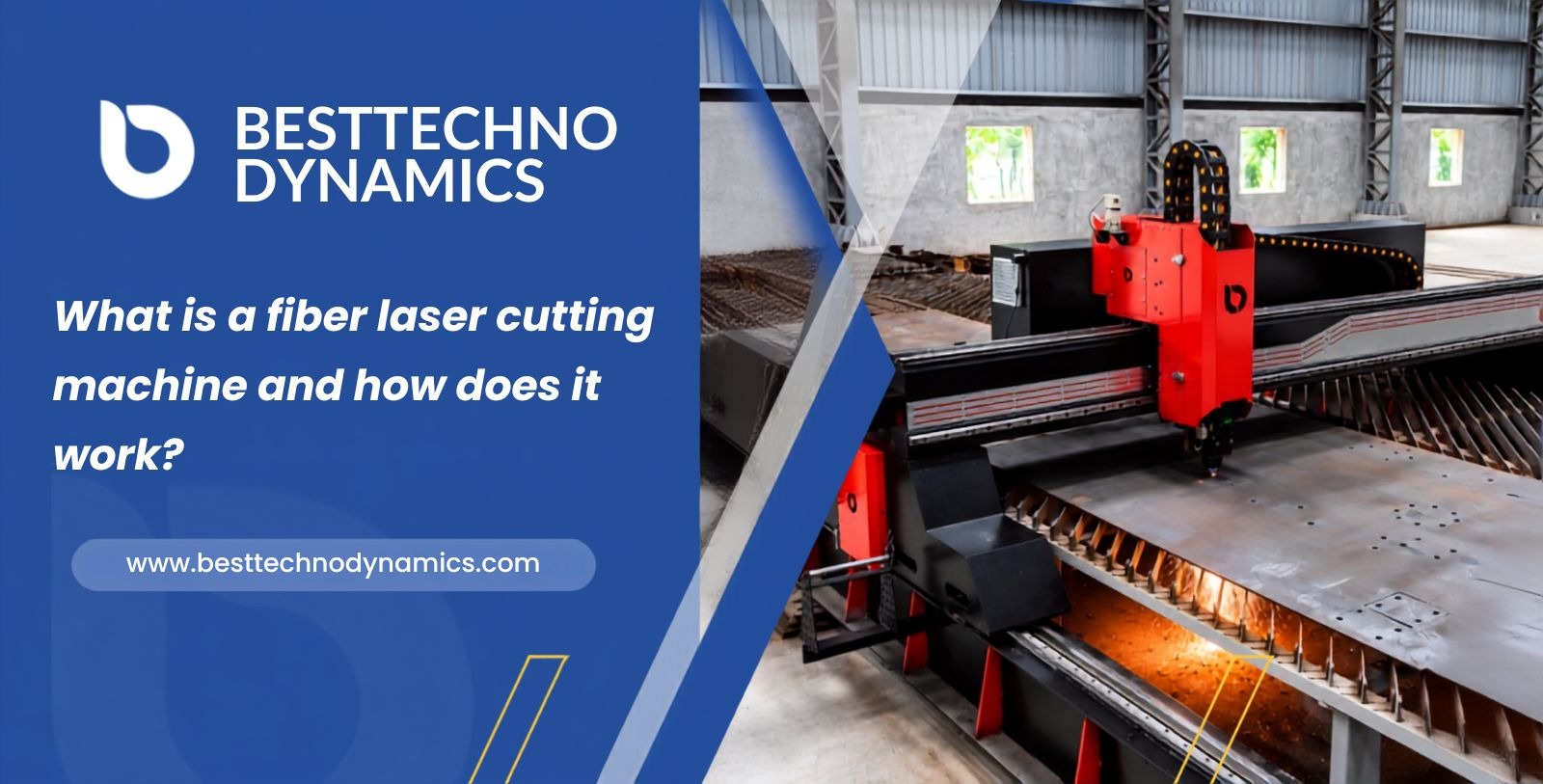
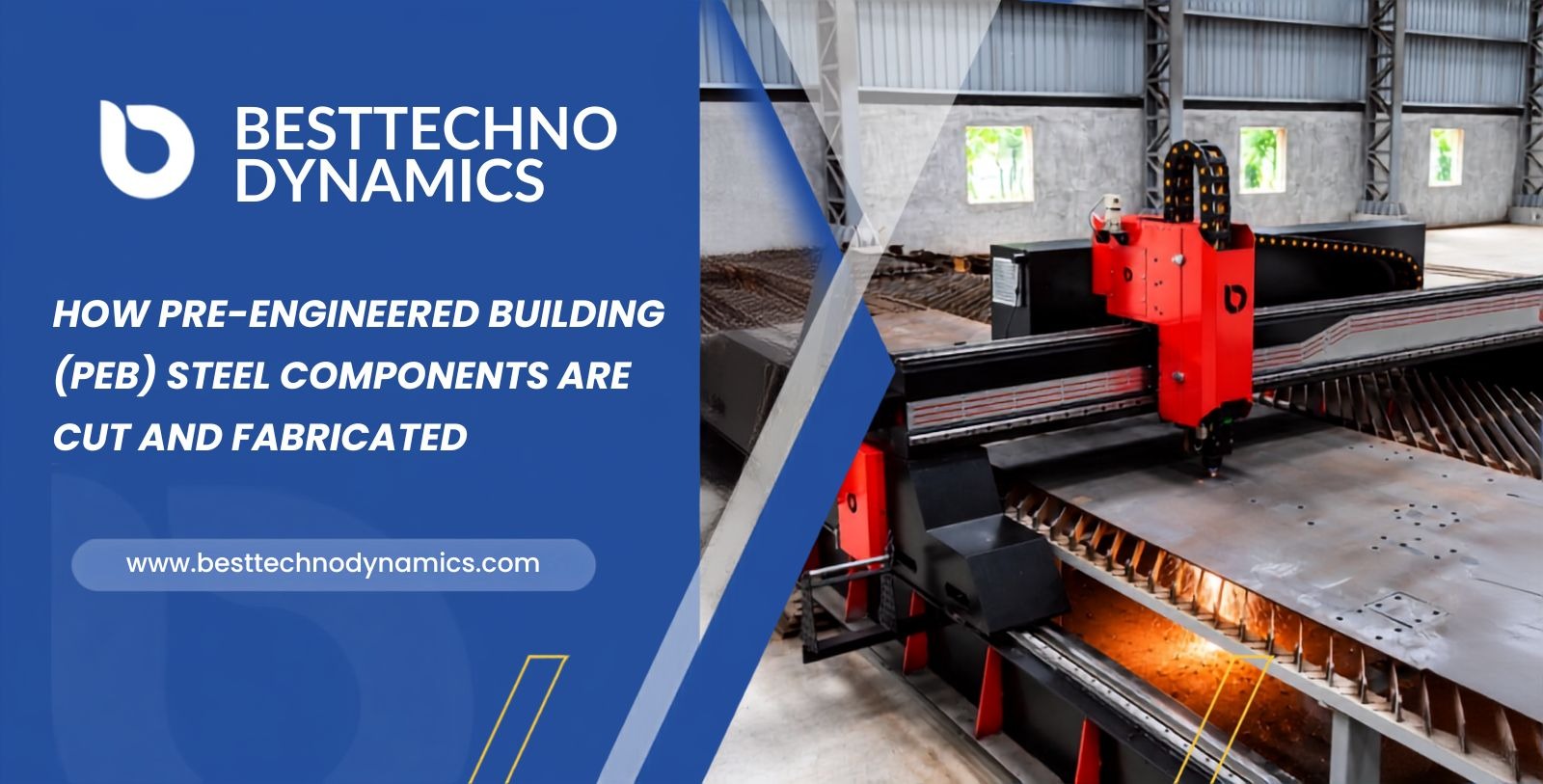
Among the machines Besttechno Dynamics builds, MAMMOTH is the one for manufacturers processing large-format metal at volume.
It's built for the production requirements of the Pre-Engineered Building industry, structural steel fabrication units, automotive manufacturers, and heavy engineering. With a cutting bed of 3100 mm × 12500 mm, it handles long sheets and thick plates in a single setup, which matters for anyone dealing with large structural or automotive chassis components.
Power Options: 6 kW and 12 kW
Higher wattage doesn't automatically make a better machine, even though that's the assumption most first-time buyers walk in with. MAMMOTH comes in both 6 kW and 12 kW configurations, and the right pick depends entirely on the materials and thicknesses your plant actually runs.
Furthermore, the 6 kW version covers a wide range of automotive and general fabrication work at strong cutting speeds on thin to medium gauge material, without the operating costs of the 12 kW unit. The 12 kW version earns its keep when you're regularly cutting thick plates for heavy PEB structural work or large-format industrial components.
Don't default to the highest number on the sheet. Matching power output to what you actually cut keeps both capital cost and running cost under control.
Built for PEB and structural steel processing
PEB work demands speed, accuracy, and consistency on thick steel plates and structural components. MAMMOTH handles heavy plates and long sheets with high dimensional accuracy, smooth cut edges, and less material wasted per job. It's suited to primary structural frames, secondary structural members, base plates, gusset plates, connection plates, and reinforcement components.
Industries MAMMOTH Serves
- Pre-Engineered Buildings (PEB): Structural steel components for industrial buildings and infrastructure projects.
- Structural Steel Fabrication: Beams, plates, channels, and fabricated assemblies.
- Automotive & Auto Components: Heavy-duty automotive parts and assemblies.
- Heavy Engineering: Large-scale engineering and industrial manufacturing.
- Industrial Fabrication Units: General metal processing across varied requirements.
Key Benefits at a Glance
| Benefit | What It Means for Production |
|---|---|
| Increased productivity | Faster cuts, shorter project turnaround |
| Exceptional accuracy | Repeatable cuts across production batches |
| Reduced operating costs | Less manpower, less wasted material |
| Energy efficiency | Runs on less power than conventional cutting |
| High ROI | Reliable long-term, low maintenance |
How to choose the right power and bed size?
- Material thickness range: Write down the thinnest and thickest material your plant regularly processes. That alone usually settles the 6 kW vs. 12 kW question.
- Part length and batch size: If you're cutting long structural members or large panels regularly, a bed like MAMMOTH's 3100 mm × 12500 mm cuts down on setups per part, and that saves real labour hours over a year.
- Production volume: Higher volume favors higher power, but only if the material thickness actually justifies it.
- Facility power supply: Higher wattage machines pull more power. Confirm your facility's electrical infrastructure can support the machine before you sign anything.
An experienced PEB laser cutting machine supplier India based team will usually flag things at this stage that don't show up on a spec sheet at all, like floor space, ventilation, and material handling logistics.
Common mistakes automotive manufacturers make
- Buying more power than needed: A 12 kW machine isn't automatically better. Plants cutting mostly thin to medium gauge automotive parts often do fine on a 6 kW system, at a lower running cost.
- Overlooking bed size requirements: Some buyers fixate on laser power and miss how much a larger bed improves efficiency on longer parts or batch nesting.
- Ignoring after-sales support: This is a long-term purchase. Chasing the lowest price without checking how responsive the manufacturer is for spares and servicing tends to catch up with you eighteen months in.
- Skipping a facility assessment: Power supply, floor loading, ventilation, and fume extraction need checking before installation, not after the machine shows up.
- Choosing a supplier without automotive or structural experience: A manufacturer unfamiliar with automotive tolerances or PEB structural demands won't deliver consistent results in either.
Expert recommendations
If you're comparing CNC laser cutting machine manufacturers in Gujarat, shortlist against options elsewhere in India, ask for a live cutting demonstration on your actual material specs. Watching a machine cut the same gauge and grade your plant uses tells you more than any performance datasheet.
Ask about the installation and training process too. A machine is only as good as the person running it, and suppliers who invest in proper onboarding tend to show it in the output six months later.
And think past your current requirements. If there's a reasonable chance your plant expands into heavier structural work in the next few years, it's worth raising scalable options with your supplier now instead of buying a second machine later.
Wrapping it up
The right laser cutting equipment shapes production quality, turnaround, and cost for years. Automotive manufacturers need precision on thin-gauge parts and the flexibility to take on heavier structural work when it comes up. A CNC fiber laser machine manufacturer India based partner that understands both sides of that—automotive and structural fabrication—makes it possible to get both without compromise.
MAMMOTH's 6 kW and 12 kW options, paired with its extra-large cutting bed, give manufacturers room to match the machine to what they actually produce.
If you're evaluating laser cutting equipment for your automotive or structural production line, reach out to Besttechno Dynamics for a consultation and a live cutting demonstration on your own material specs.
Frequently Asked Questions
1. What type of laser cutting machine is best for automotive component manufacturing?
CNC fiber laser machines. They cut thin to medium gauge steel and aluminium precisely, with minimal heat distortion and clean edges, which is what most brackets, panels, and chassis components need.
2. What's the difference between 6 kW and 12 kW fiber laser machines?
The 6 kW handles thin to medium gauge work efficiently at lower running cost. The 12 kW cuts thick plates and heavy structural work faster. Pick based on material thickness, not raw speed.
3. Can one machine handle both automotive parts and PEB structural cutting?
Yes. MAMMOTH is built to run both automotive component manufacturing and PEB structural steel processing, so a plant doesn't need separate machines for each.
4. How does fiber laser cutting compare to plasma cutting for automotive parts?
Tighter tolerances, cleaner edges, less heat distortion. Plasma still has its place, but not where dimensional accuracy matters this much.
5. What cutting bed size is ideal for structural steel components?
Bigger is usually better here. MAMMOTH's 3100 mm × 12500 mm bed cuts down on setups for long structural members and improves how much material actually gets used per sheet.
6. How much does a CNC fiber laser machine typically cost in India?
It depends on power output, bed size, and any added features, so there's no single number. Get a quote built around your actual production requirements.
7. What maintenance does a fiber laser cutting machine require?
Less than a CO2 system. Mostly routine checks on optics, lens cleanliness, and the cooling system.
8. Is fiber laser cutting suitable for stainless steel automotive parts?
Yes. With the right cutting parameters for the material grade, it produces clean edges with minimal discoloration.
9. How do I choose between different CNC laser cutting machine manufacturers in Gujarat or other regions?
Look at their track record in automotive or structural work, ask for a live demo on your own materials, and check spare parts availability before you decide anything on price alone.
10. What industries besides automotive use CNC fiber laser cutting machines?
Pre-Engineered Building manufacturers, structural steel fabricators, heavy engineering companies, and general industrial fabrication units all run on the same core technology.