What Is a Gantry Type Laser Cutting Machine? Complete Guide for Beginners
Key takeaways
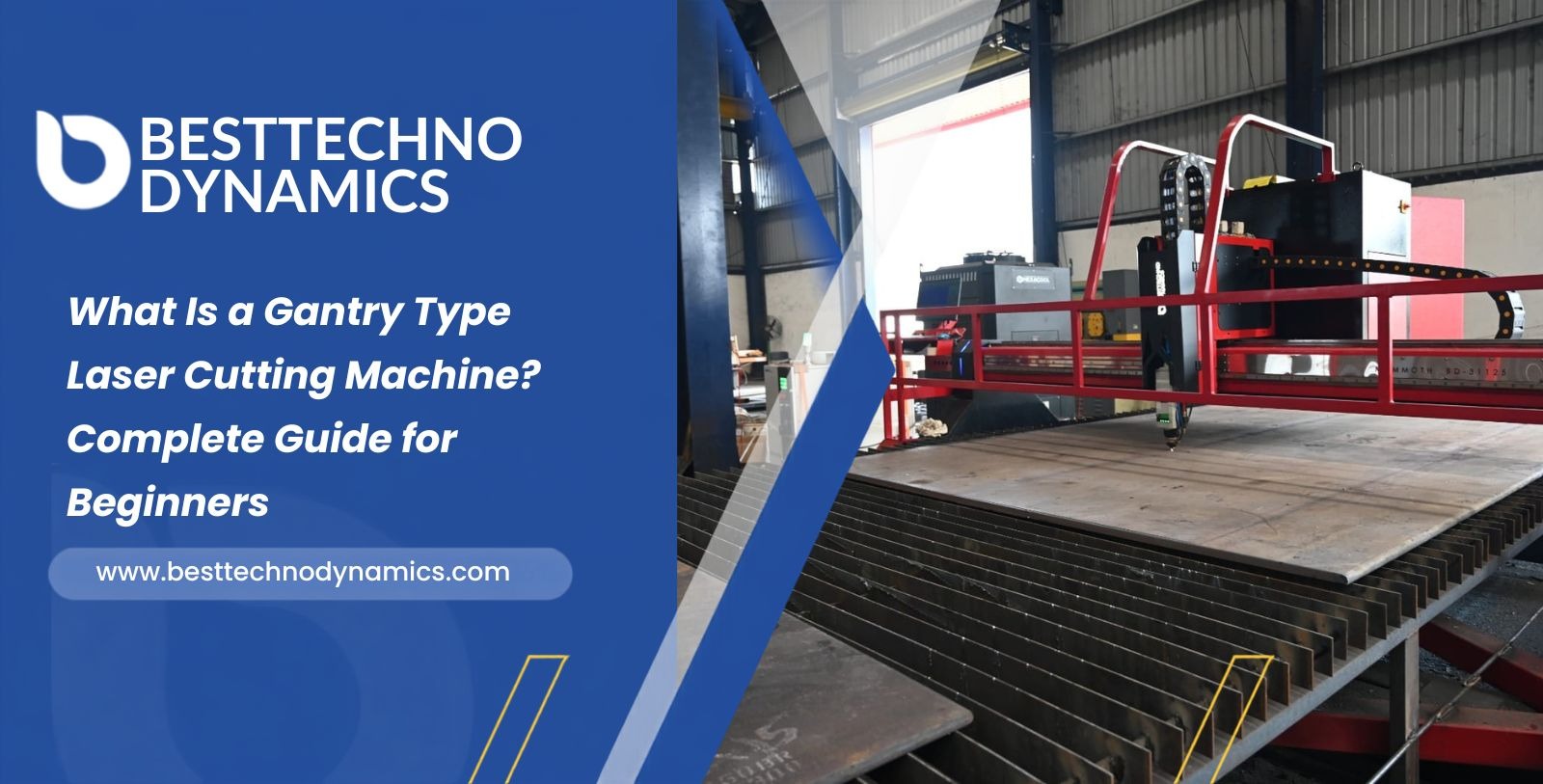
- With a gantry laser, the plate remains stationary while the cutting head moves, making it ideal for large and heavy plates.
- Both the 6 kW and 12 kW machines have their merits. The type of plate thickness, production volume, and required speed will determine which one to opt for.
- More important than the exact specification is the bed size, after-sales service support, and sample cuts that you are able to accomplish on your own materials.
- Good nesting and clean cutting edges are two places to look for the greatest returns on your investment.
How does a gantry laser cutting machine work?
You start with a cutting file from CAD software, and the nesting software places the parts on the plate in an arrangement that wastes the least material. The operator places the plate on the table, and the CNC controller now takes over.
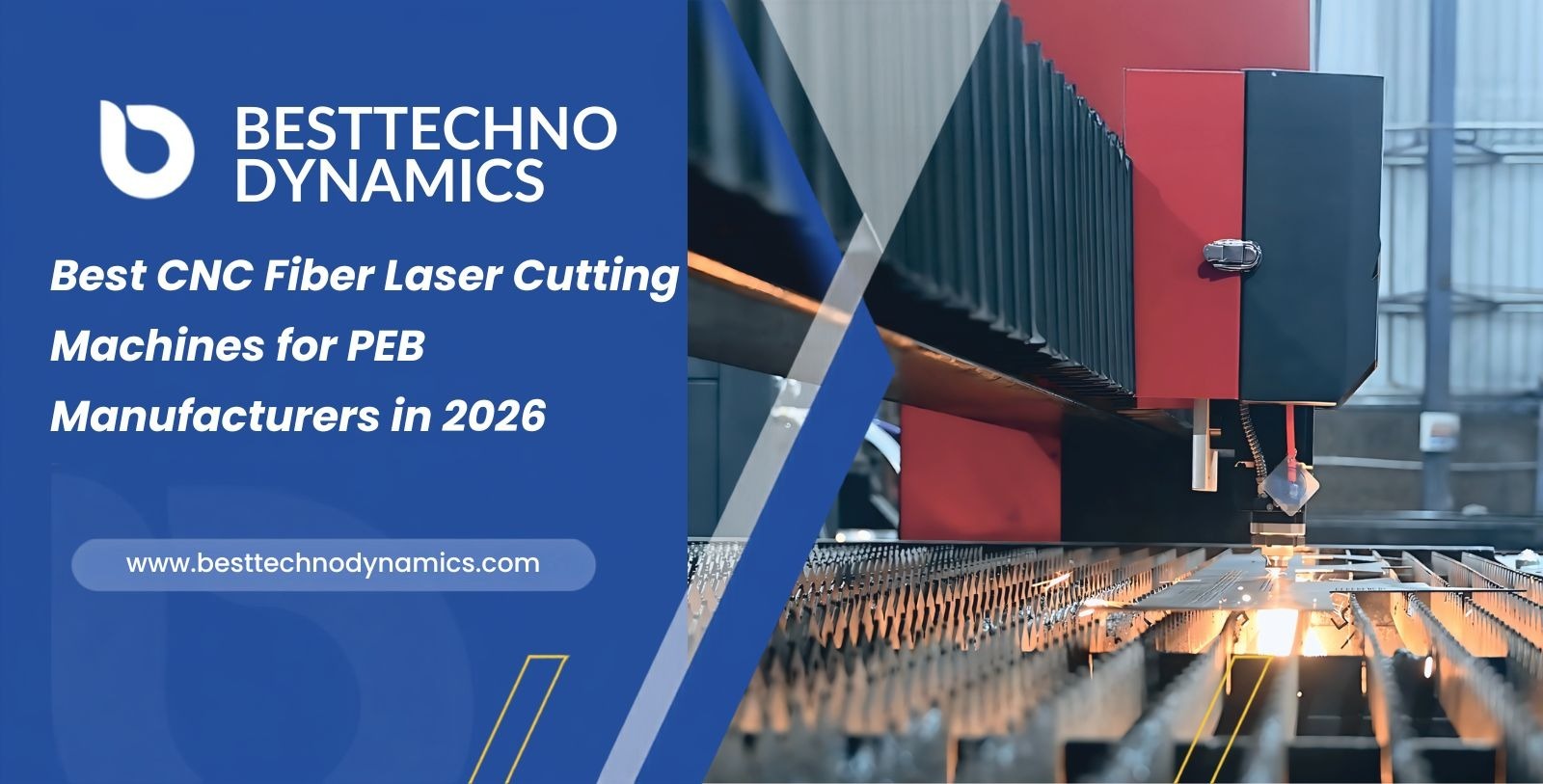
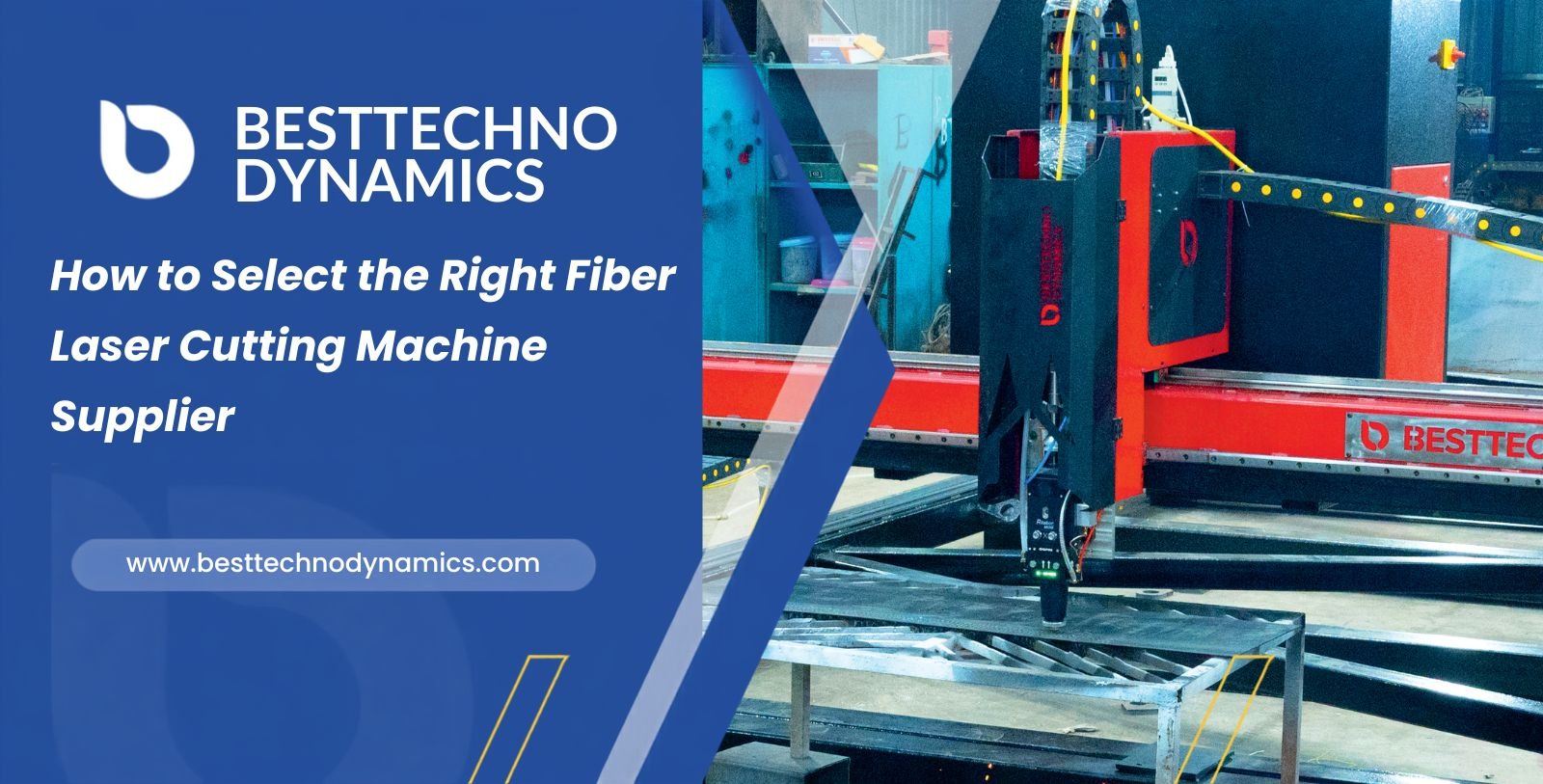
Moreover, the gantry moves along the length of the table. The cutting head moves across the gantry and raises or lowers to keep the distance from the plate constant. The fiber laser source produces a beam directed through a fiber optic cable to the head; the output lens focuses it to a small point. This point melts the metal, while a jet of assist gas blows the liquid metal away from the cut. Coordinating with the Gantry Type Laser Cutting Machine manufacturer in India will be beneficial.
What are the main components?
- A fiber laser source that is responsible for determining the available power
- Gantry and drive system consisting mostly of servo motors with rack and pinion drives
- The cutting head, which has automatic height control
- CNC controller and nesting program
- The worktable, which supports the sheet and is equipped with a spark and fume collection system
- Gas for cutting, such as oxygen, nitrogen, or air
- Cooler that prevents overheating of the laser source and cutting head
- Extraction of dust and fumes
Why is the gantry design suited to large-format cutting?
On a large plate, material movement is the difficult part. Heavy sheets are awkward for operators and highly misaligned. A gantry machine does not get that problem because the plate is immobile and only the bridge traverses it.
A solid frame and accurate drives keep the bridge square for long stretches; this is what helps preserve evenness of accuracy from one end of the table to the other. The table can be made very long, permitting the cutting of long plates and making the gantry configuration a standard for large-format laser cutting for structural work.
What materials can it cut?
Fiber lasers are designed specifically for metal cutting. Among the most common materials cut are:
- Mild and carbon steel.
- Stainless steel.
- Aluminum.
- Brass and copper are materials that reflect at a higher rate, but with the correct settings, can be cut effectively.
- Coated sheet and galvanized material.
The extent of cutting depends on laser power, assist gas used, and the design of the machine. Request a cutting chart from the laser cutting machine manufacturers in Gujarat for a specific material and its thickness.
Is 6 kW or 12 kW the right laser power?
Both are practical, and neither is the automatic answer. The better choice depends on what you cut every day.
| Factor | 6 kW | 12 kW |
|---|---|---|
| Typical work | Thin to medium plate, mixed jobs | Medium to thick plate, heavier loads |
| Production volume | Steady to moderate | High, continuous |
| Speed on thicker plate | Adequate | Noticeably faster |
| Running cost | Lower power and gas draw | Higher power and gas draw |
| Investment | Lower | Higher |
| Good fit | Job workshops, mixed fabrication, PEB units cutting lighter sections | High-volume structural plate, heavy engineering |
12 kW is not required for a PEB company. For those units that are mainly cutting web plates, gussets, and brackets in moderate thickness, 6 kW can be appropriate.
However, the higher the throughput, the more it makes sense for the thicker plate to be cut at 12 kW for a plant that does this throughout the day. Assess by thickness range, monthly volume, and delivery pressure, then request sample cuts for verification.
What are the key advantages?
- Fast cutting speed: fiber laser cutting speed is fast and can be as high as 3 meters per minute on thin and medium plates.
- Accuracy: a narrow beam delivers profiles, holes, and slots that are precise.
- Repeatability: the 1st plate and the 100th plate both give the same part from the same file.
- Material utilization: nesting packs parts tightly and reduces scrap.
- Productivity: one machine is able to replace multiple operations and requires minimal machine changeover.
- Reduced post-processing: edges are often clean enough to skip heavy grinding.
How does fiber laser cutting compare with conventional methods?
Both approaches still have a role to play.
- Plasma cuts thick plates in less time at a lower cost, but with a wider kerf and typically rougher edges.
- Oxy-fuel is cheap and slow for very thick mild steel, but adds more heat to the plate.
- Shearing and punching are suitable for simple repetitive parts and simple shapes with straight lines, but not for complex line drawings–you would need tooling to perform these operations.
- With little finishing, fiber lasers can handle complex shapes and small holes and tight tolerances.
Where is it used?
- PEB: Base plates, gusset plates, connection plates, and frame parts.
- Structural steel fabrication: Beam and column connection parts, stiffeners, and brackets
- Automotive and auto components: Chassis parts, brackets, and mounting plates
- Heavy engineering: Machine frames, support structures, and thick profiled parts
- Industrial fabrication: Enclosures, guards, panels and general plate work
What should you check before buying?
Start with the plate you actually cut, then work backward to the machine.
- Bed size against your largest plate and part length
- Power against your usual and maximum thickness
- Materials used, including any reflective metals
- Shifts per day and monthly volume
- Altering the original head, controller and nesting software.
- Describe the rigidity and the drive of a frame.
- Gas supply, consumption, and running costs.
- Power supply, foundation and floor space
- Service response, availability of spares, and training of operators
Therefore, if you can, visit a working machine to see a CNC fiber laser machine manufacturer in India, and request your own cuts. In the realm of laser cutting machine manufacturers in Gujarat and across the country, the service support from the local company is equally crucial as the specification sheet, as the downtime of the machines is more expensive than the margin between two different types.
What maintenance and safety does it need?
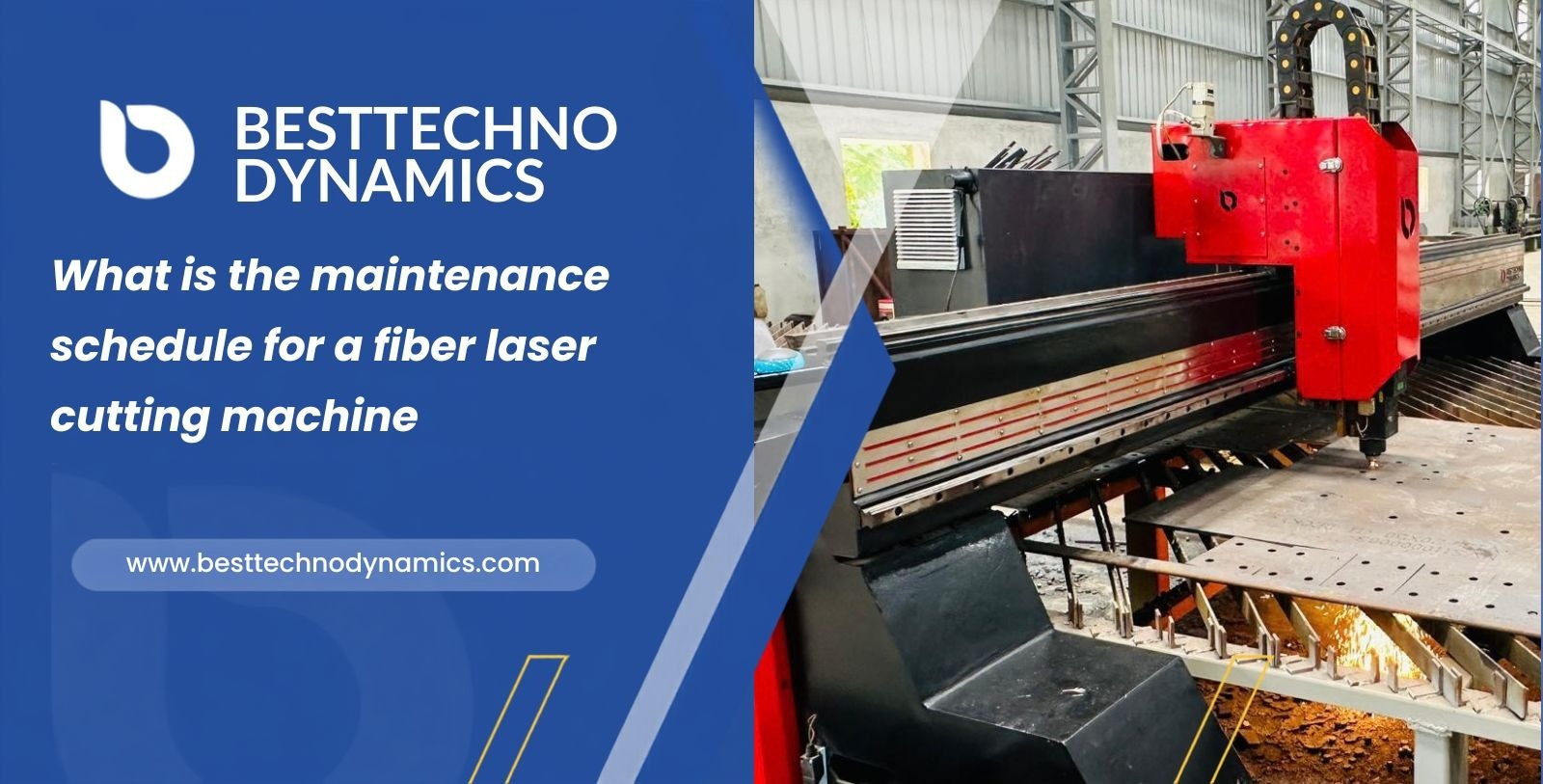
The gantry laser, as long as the maintenance is carried out in time, is reliable.
- Replace or clean protective windows and lenses regularly.
- Check for nozzle wear and damage.
- Maintain chiller coolant and filters in good working order.
- Follow the manual for lubricating the rails and racks
- Test the purity and pressure of the gases
- Periodically adjust head and axes.
With regard to safety, ensure that adequate enclosures are used as well as laser-rated eye protection. Continue to operate fume extraction and maintain fire precautions for sparks and cutting dust.
Practically, operators should be trained before operating the machine, and care should be exercised in dealing with gas cylinders and lines. Do everything according to the manufacturer's instructions.
What should you think about ROI?
Return is the result of a number of factors: material saved because of nesting, grinding and rework you no longer perform, work you cease to outsource, and additional capacity. Running costs are inversely related. These include all electricity, gas, consumables, maintenance, and downtime.
Give your own measurements. Estimate the usage of plates, current scrap, outsourced cutting spend, and the hours of finishing required per month and compare that to the cost of the machine and the amount of time it is expected to be in use. This is because a machine that is operating much of the day will return a different ROI than one that sits idly between orders, and power selection has a direct impact on ROI.
Final word
The right laser power and machine configuration decide how well a gantry laser fits your plant. Not enough power and thick work is too slow; too much power and you'll spend more than you'll ever get back in profitability. Bed size, service, and software impact your daily performance just as much.
Therefore, compare 6 kW vs 12 kW options, or are you looking at the best CNC laser cutting machine manufacturers in Gujarat? Contact Besttechno Dynamics with plate sizes, thicknesses, and monthly volumes. They will help find a configuration to suit your requirements.
Frequently asked questions
1. What is a gantry-type laser cutting machine used for?
Cutting metal plates and sheets into exact shapes, particularly large and long structural, automotive, and heavy engineering plates and metal sheets.
2. Is a gantry laser the same as a flatbed laser?
The majority are flatbed machines. The common layout of large beds is known as "gantry", referring to the bridge used to carry the cutting head.
3. How thick can a fiber laser cut?
It depends on the power of the laser, material, and assist gas. Request a cutting list of your materials.
4. Can it cut copper and brass?
Yes, using the proper settings and with a machine that is designed for reflective metals. Check with the manufacturer.
5. Does a PEB company need a 12 kW laser?
Not necessarily. Various parts of PEB can be processed with a 6 kW machine. For thick plates and high volume, consider 12 kW.
6. Is fiber laser better than plasma?
Generally, yes, for precision, small features, and clean edges. Plasma may still be a good option if you are working with a very thick plate and have a limited budget.
7. How accurate is gantry laser cutting?
The accuracy will depend on the machine and setup. Ask for the specified tolerance, and check it on test parts.
8. What gases does it use?
A mild steel, clean edges on stainless steel and aluminium use nitrogen, and some thin material uses compressed air.